How To Create A Garden They’ll Love
By Christy Ericsson
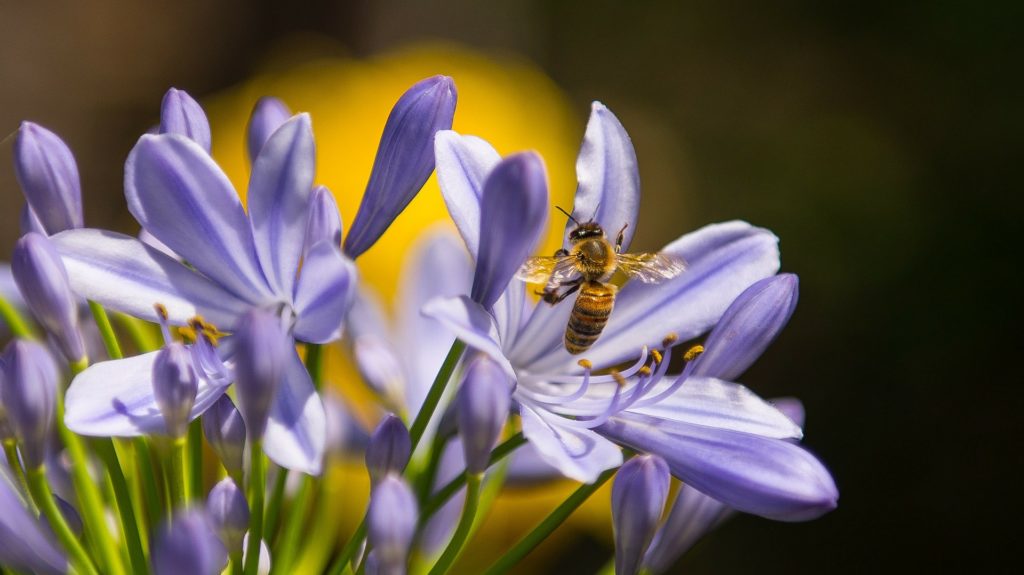 Helping the bee population thrive is so important these days, as they are dying off at an alarming rate due to pesticide use and loss of habitat. These tiny creatures play such a huge role in our food production system that without them, it would be next to impossible to manually pollinate the nation’s crops. Can you imagine a world without blueberries or apples? Spinach and tomatoes? Unfortunately, that’s a very real possibility we face if the bees continue to decline in population.
Fortunately, there are some simple things we can do to help them thrive and multiply, including creating gardens full of their favorite flowers and herbs and giving them a safe place to rest. Some of the best flowers to plant to attract bees include:
Spring
- Lilacs
- Penstemon
- Lavender
- Sage
- Verbena
- Wisteria
Summer
- Squash
- Tomatoes
- Pumpkins
- Sunflowers
- Rosemary
- Black-eyed Susan
- Honeysuckle
Fall
- Fuschia
- Verbena
- Sage
- Sunflowers
- Mint
Because bees need plenty of food well into the fall, it’s important to find flowers that will bloom even into those later months, not just spring and summer. Although they love many varieties, flat-headed flowers–like sunflowers and black-eyed Susans–give bees a safe place to land and rest while they feed.
Keep in mind that pesticides are a no-no, as they can seep into the pollen of your flowers and harm the bees. If you find that you’re having issues with garden pests, seek out some natural alternatives.
No room? No worries!
If you don’t own your home, you may be wondering how you can create a garden space. Luckily, bees love herbs, which can easily be planted in a window box. This is a perfect solution for people who live in an apartment or don’t have the room in their yard for a garden. You can also plant flowering veggies in your front yard, mixed in with your other plants. Just be sure to keep these close to your house rather than near the road or sidewalk, where they might be interfered with by animals.
Head over to Redfin.com for the best tips on how to start a garden in a small space.
Another great way to do your part is to support local farmers and beekeepers. Buy local honey at the farmer’s market and ask if they have an “adoption” program that will allow you to give an annual donation to help support the bees in exchange for honey and other bee products.
Get the kids involved
Getting your kids involved in the gardening process can help them learn responsibility and empathy for other living things; it can also help boost self-esteem and build leadership skills. Learning how to plant seeds and tend to them is extremely rewarding when it’s time to reap the benefits, so let your kids pick out their own vegetable and fruit seeds to care for and watch their sense of wonderment grow along with the plants.
Make the bees comfortable
While many people think of bees as a nuisance, we want them to come to our gardens and hang around, so it’s important to make a comfortable space they’ll want to come back to. The flowers and plants are a great start, but it’s also a good idea to have a bowl of water (or a small birdbath) with a few stones sticking out to give the bees a place to rest and safely get a drink. Bees get thirsty too!
Not only is it important to have a variety of flowers for bees to feed on, it’s just as important to leave them a little green space, too. Bees often dig nests to raise their young, and landscaping materials like mulch prohibit them from doing so.
Remember that while bees do sting, they mostly keep to themselves, as they are more interested in the flowers than in you. Leave your fear behind in favor of helping these amazing creatures stick around and keep our food production system going.
Photo via Pixabay by Vizyweb