• NPNA
    • History
    • Welcome to NPNA
    • Section Map
      • NPNA Section 1
      • NPNA Section 2
      • NPNA Section 3
      • NPNA Section 4
      • NPNA Section 5
      • NPNA Section 6
      • NPNA Section 7
      • NPNA Section 8
      • NPNA Section 9
      • NPNA Section 10
      • NPNA Section 11
      • NPNA Section 12
    • Bylaws & Board
    • NPNA Sponsors
    • Parks in NPNA
  • Join NPNA
    • Membership Information
    • Join or Renew
    • New Residents
  • Volunteer!
    • Ways to Volunteer
    • Beautification
    • Creek Preservation
    • Social Events
  • Crime Watch
    • Neighborhood Safety
    • NPNA Crime Watch
    • Crime Reports – Monthly
    • Dallas Police Dept.
    • Safety & Security
    • Who to Contact
  • Events
    • NPNA Events
    • Upcoming Events
    • Past Events
    • Event Photos
  • News
    • NPNA News
    • News & Announcements
    • Northaven Trail
    • Up and Down the Creek
  • Contact Us

December 1, 2018 by sandy

Feast of Color

December 2018.
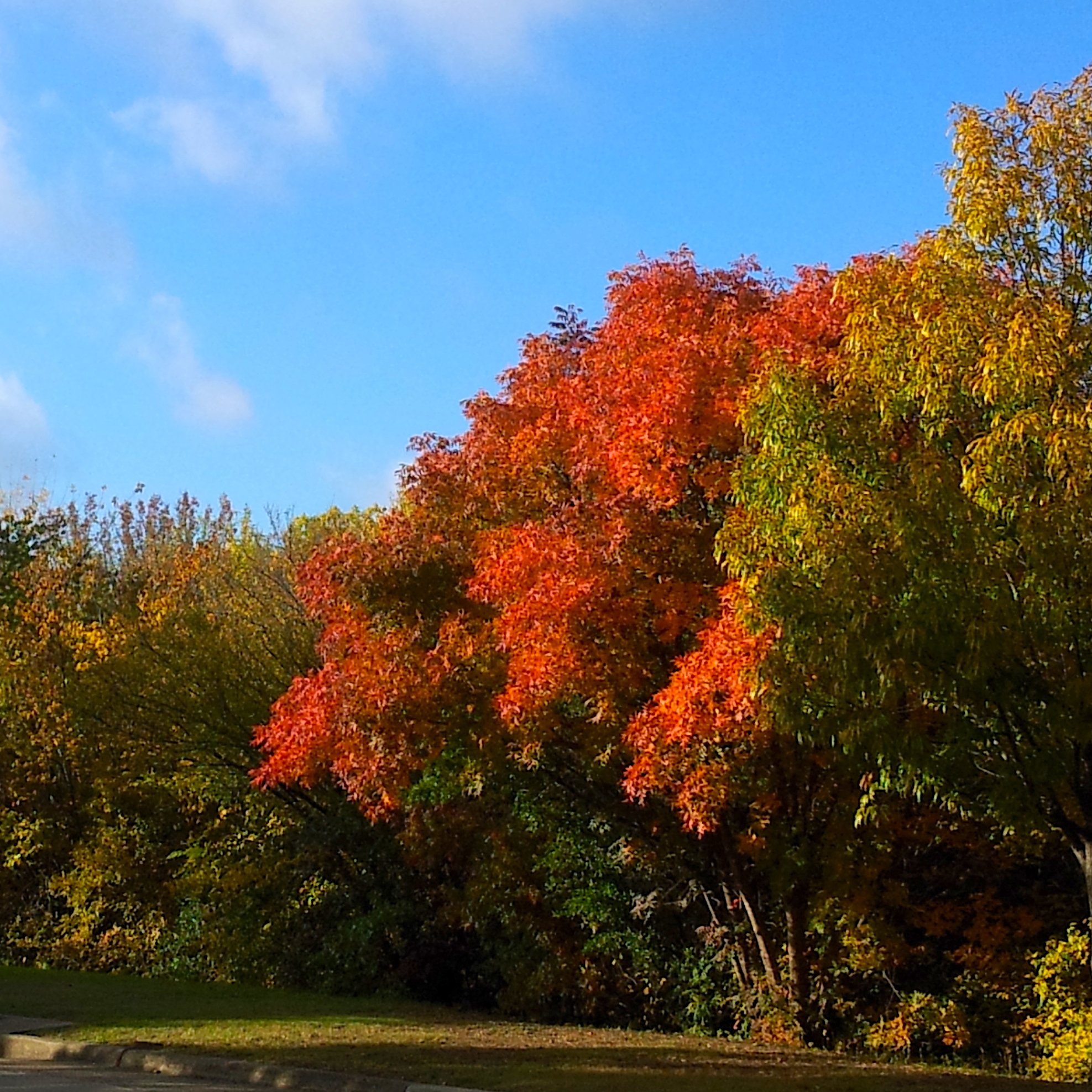
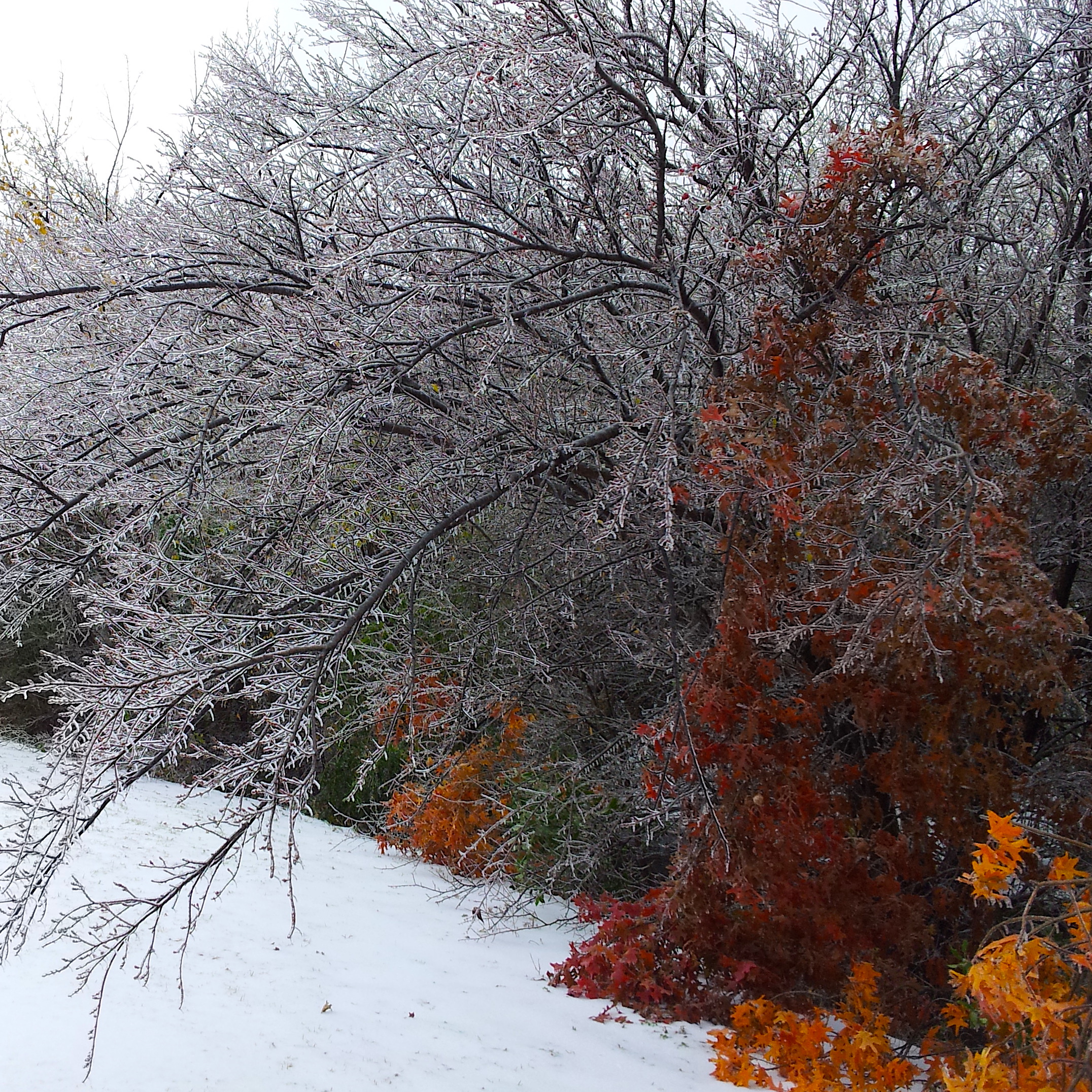
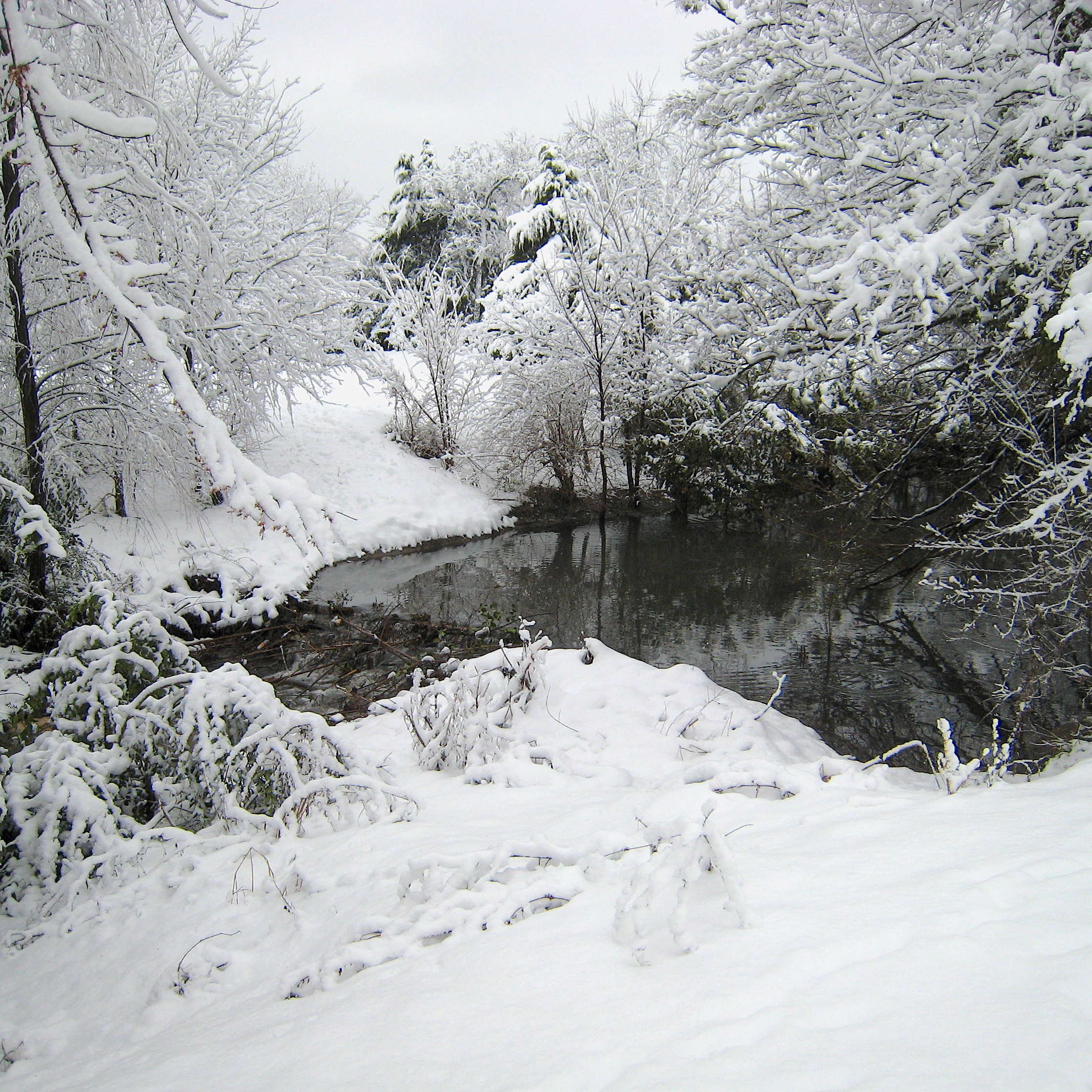
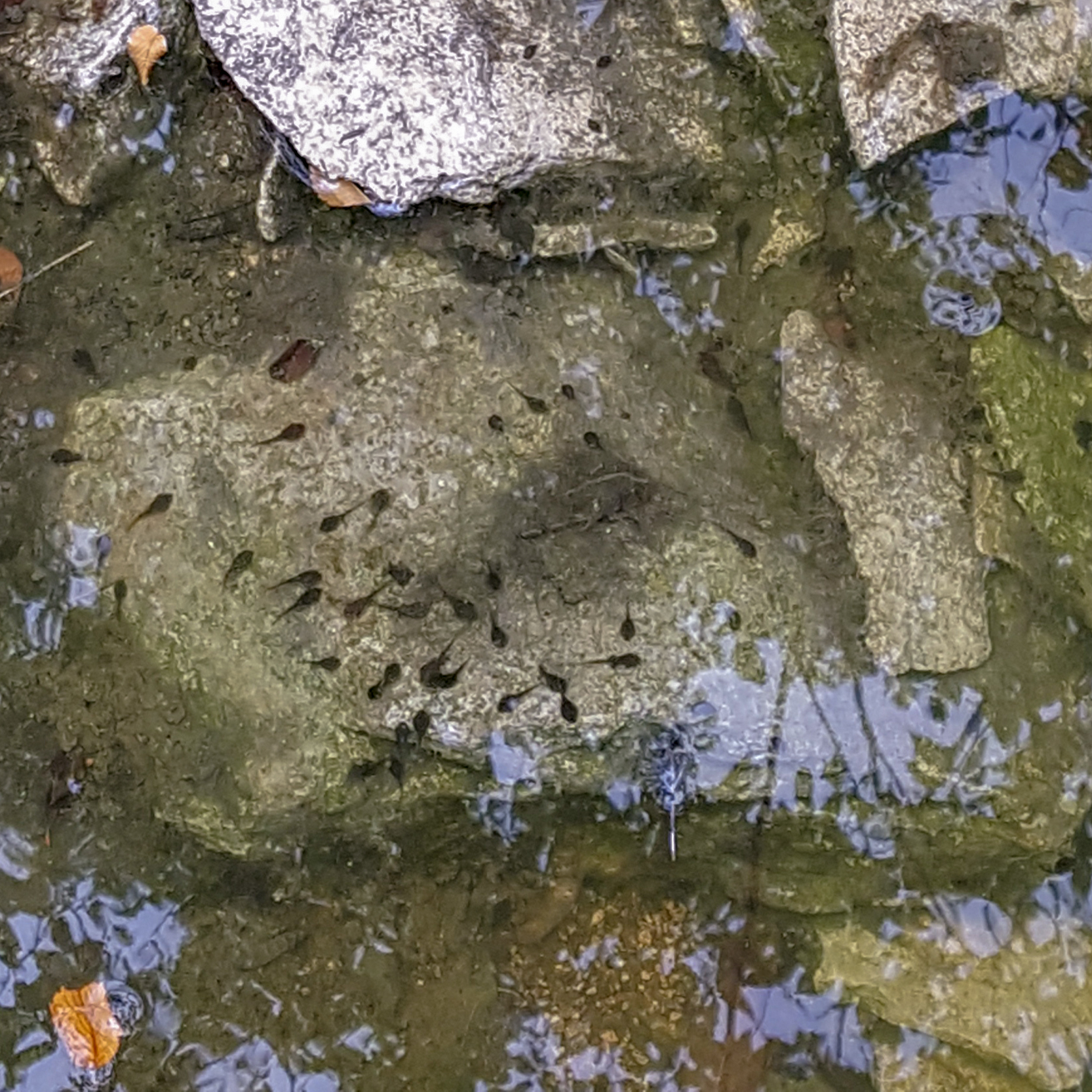
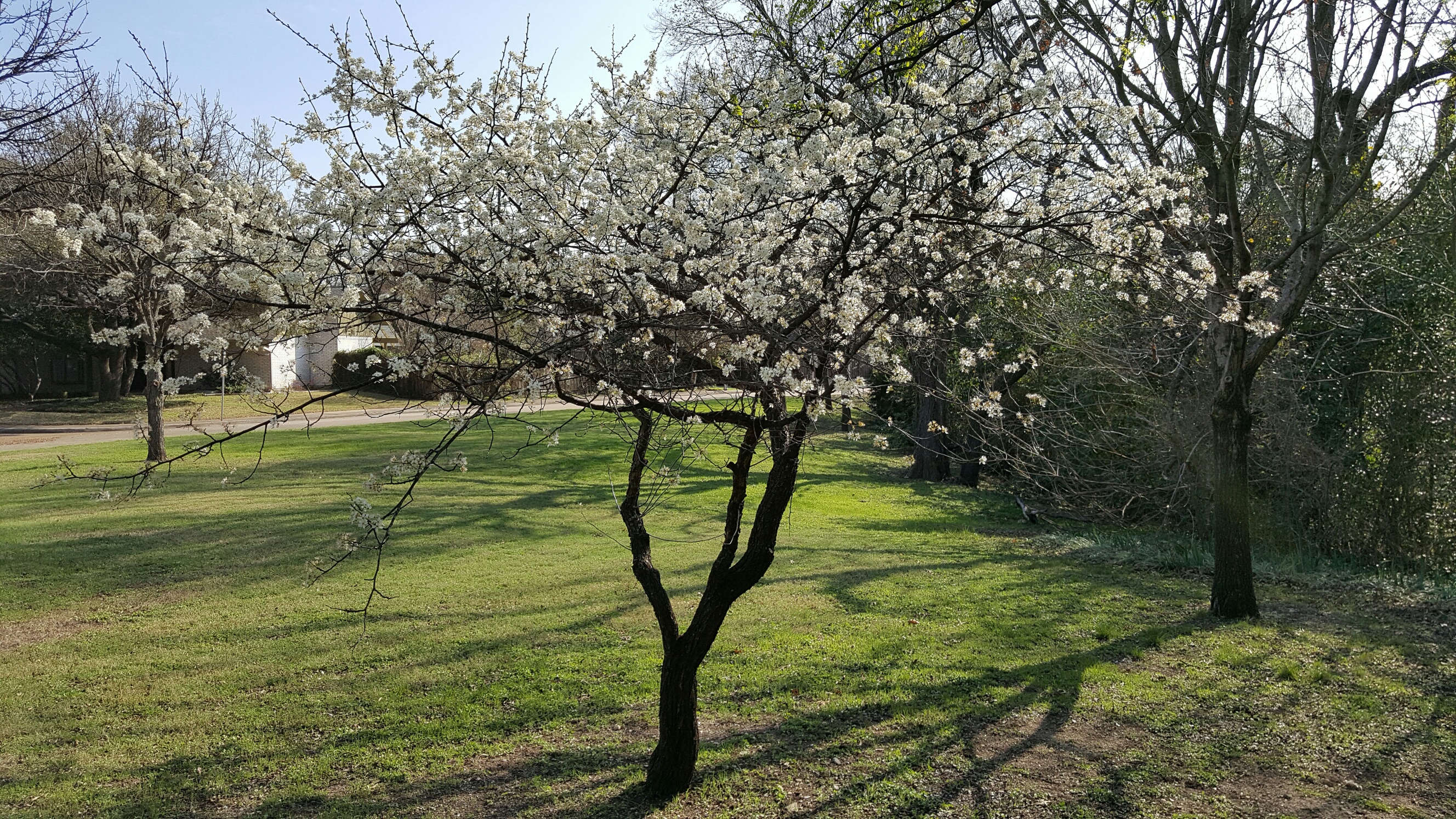
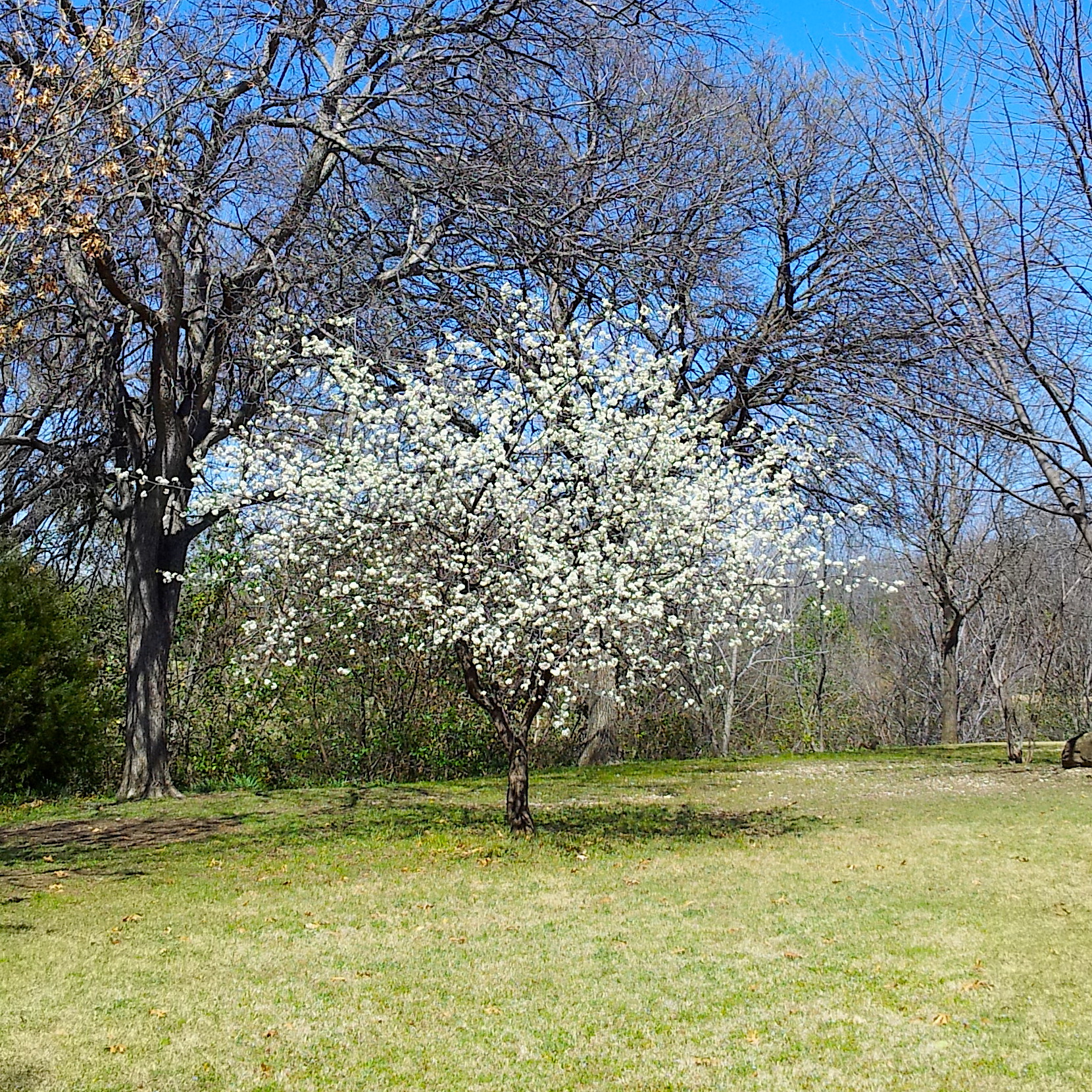
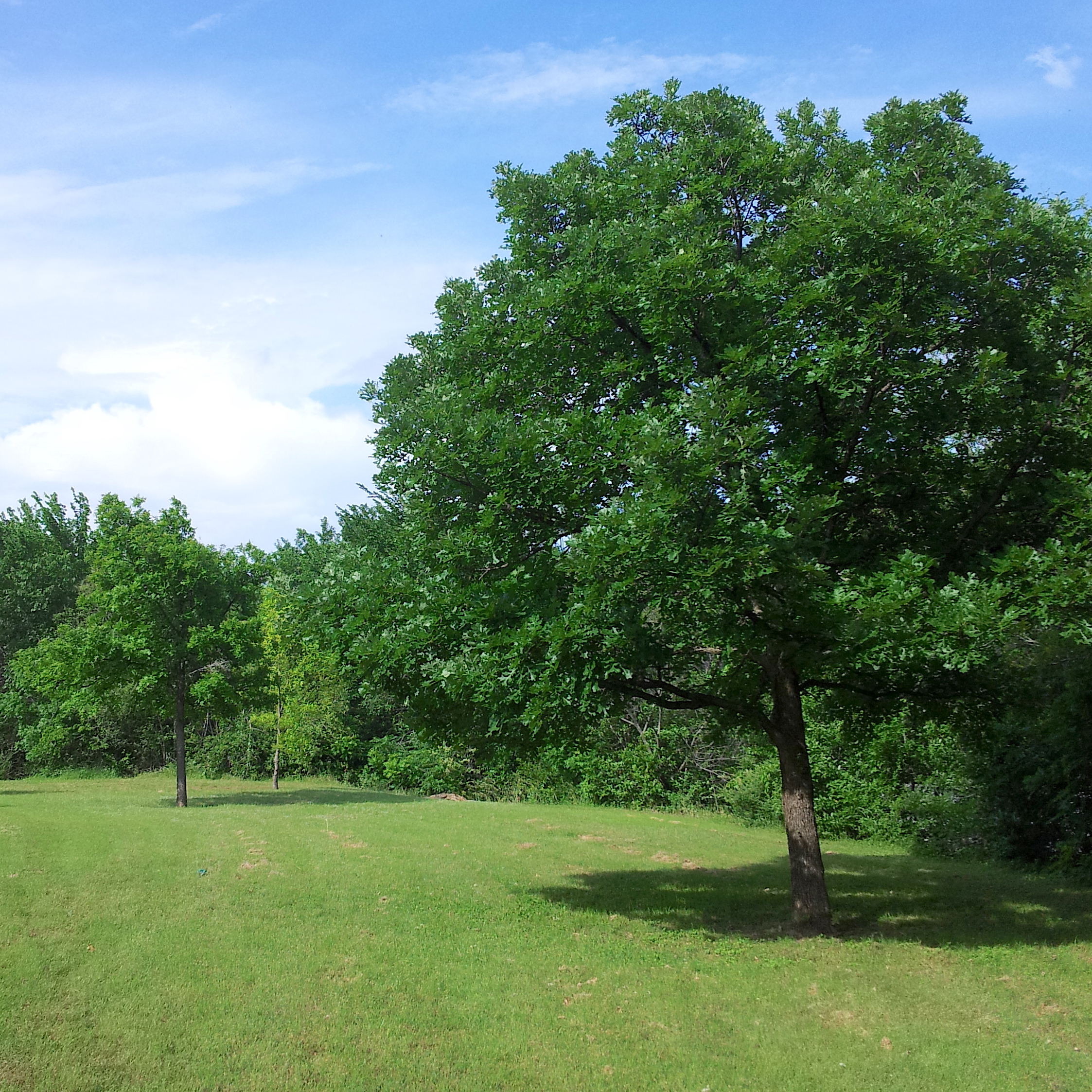
While the Christmas Season brings a feast of color to many of the homes and streets of Northaven Park, Joe’s Creek and its greenbelt offer a changing natural palette throughout the year. Although the seasons are more often marked by subtle changes, we can see dramatic examples by looking back a few years.

Photos below: 1. Mexican Plum, March 2014. 2. Bur Oak and green space. May 2015. 3. Fall Foliage, November 2013. 4. Winterscape, December 2013. 5. Beaver Dam, February 2010.
Merry Christmas from the Creek Committee
Vince Punaro and Gary Barton, Park and Creek Leaders
Filed Under: Up and Down the Creek Archives

September 7, 2018 by sandy

Tadpoles Spotted

September 2018.
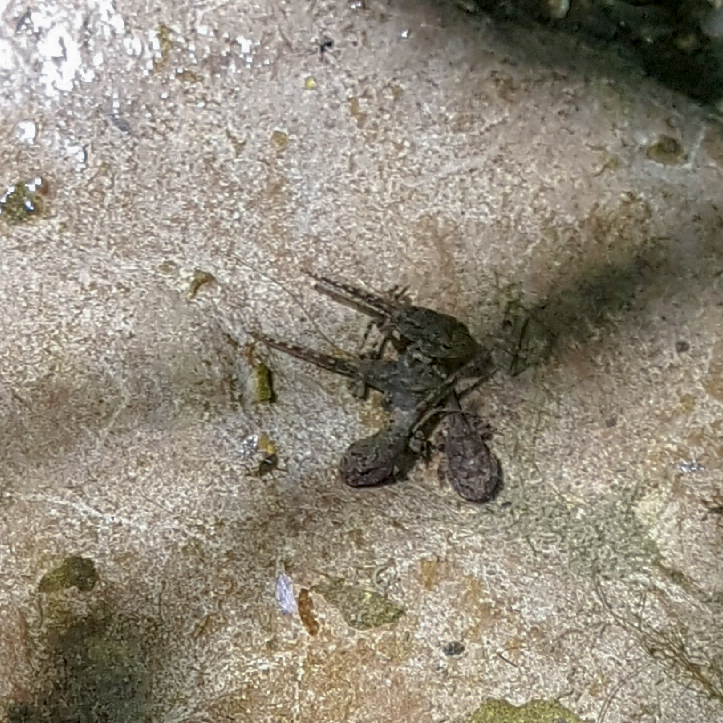
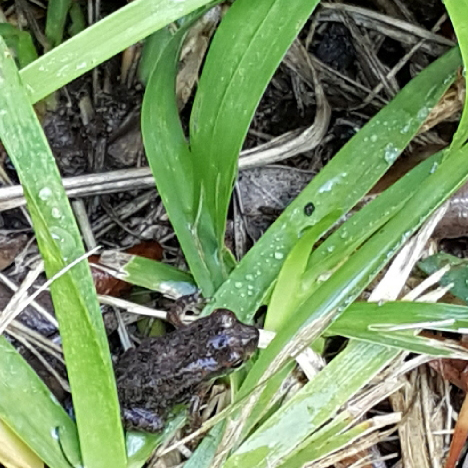
Against the odds, a hatch of tadpoles born just after July 4th, survived both a mini-drought that sapped the water from their shallow pool, and a downpour that swept all traces of them downstream, leaving the site covered in sand and rock shards. Viewing this scene just after the rain, it seemed that none could have survived, but that evening, a dozen or so of the smallest toads imaginable were seen hopping into nearby yards. With each leap covering perhaps 10 times their length, they made quick progress. Smaller than a small fingernail, or the width of a blade of grass, however, their survival appeared doubtful.
 
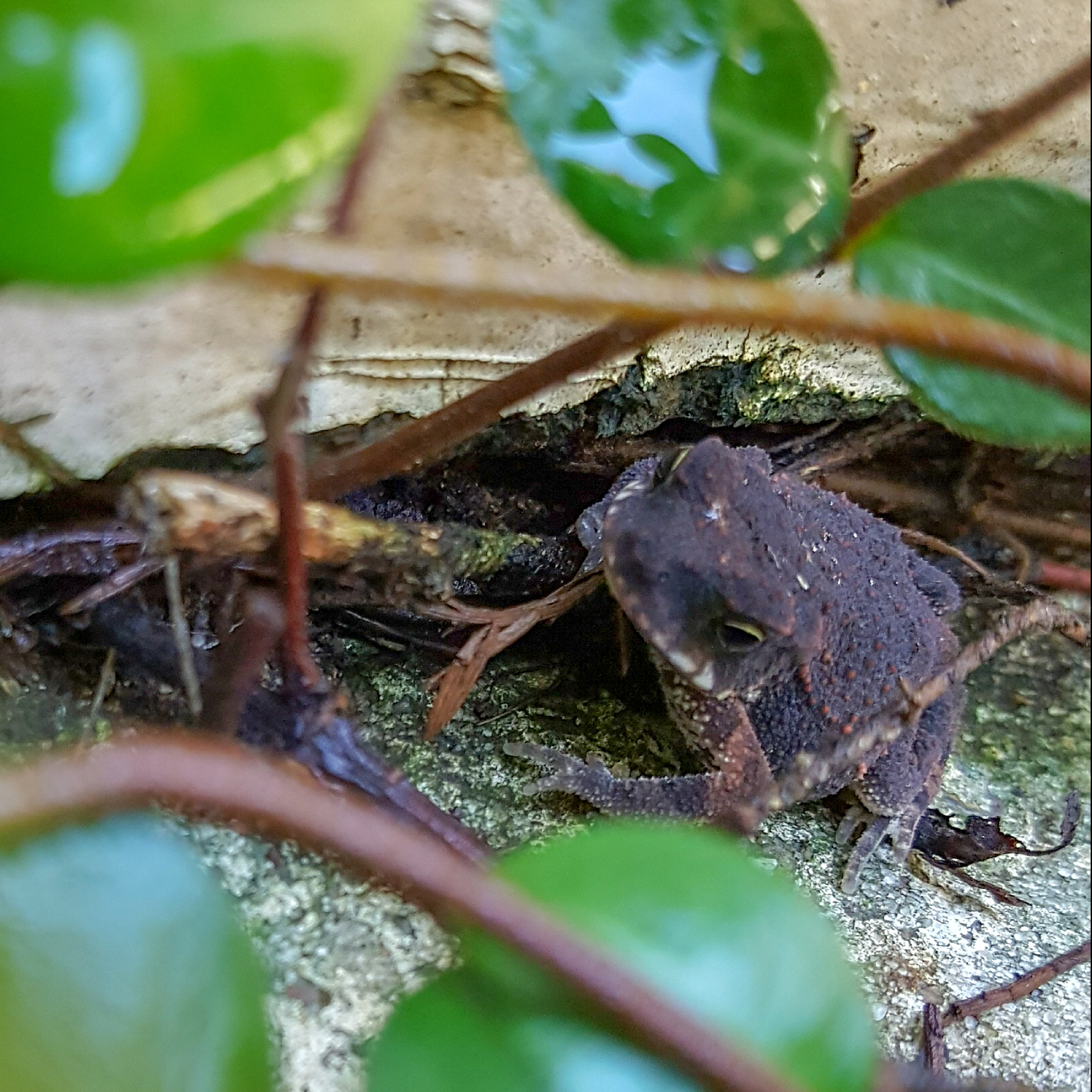
Yet, weeks later, a few small toads could still be seen around the yard. One was recently observed catching and eating an unwary carpenter ant. Motionless and perfectly camouflaged in ground cover, the toad struck with one swift silent motion – the ant vanished quicker than could be seen – 100% effective and 100% organic pest control!
 
The Texas Toad needs from 18 to 30 days in the water before its ready to leave, and begin life on land. After that, the estimated life span is only 2-3 years. While not considered endangered or threatened as a species, like all amphibians, the Texas Toad  is susceptible to pesticides or chemicals that runoff, or in some instances, are deliberately dumped into the creek. Thus the toad’s absence can signal polluted or contaminated water, just as the canary would alert miners to dangerous air. If we can avoid pesticides, and discharge of pool or other chemicals, hopefully these small miracles will not be strangers in our gardens. And no, they do not cause warts or represent a poison threat to humans, although their protective toxin may be irritating to skin or cause cats or dogs to foam at the mouth.
 
At least two of the Joe’s Creek Toads headed west, nearly reaching Cox Lane, where they were rescued from a swimming pool by our own alert newsletter publisher. Though only about a half inch long, and the other slightly larger, their prey was larger than either – a cricket. Can you picture a teenager gulping down a 6-foot candy bar in one bite?
 
Photos below show: 1. Numerous tadpoles still in the water, having reached the stage where legs are developing, 2. A tiny new toad in its first day or days on land. And 3. A growing juvenile late in the summer.
    
Vince Punaro, Creek Leader

Filed Under: Up and Down the Creek Archives

July 7, 2018 by sandy

Great Blue Heron

July 2018.
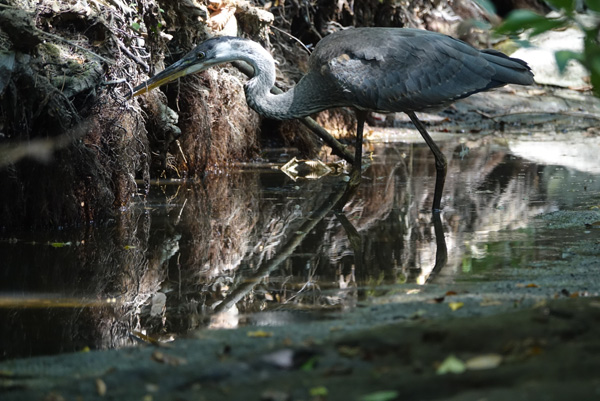
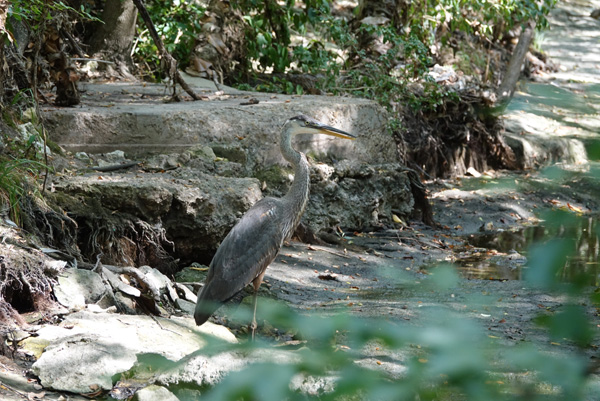
Anyone can fish a well-stocked pond, but only the wisest and most persistent anglers will succeed in a drought. The Great Blue Heron fishing Joe’s Creek July 4th and 5th was not deterred by the lack of water, the distant boom of fireworks, or a pesky photographer. In fact, this veteran fisher found and worked the few remaining pools with minnows. Motionless for long moments, then  followed a quick strike into the water. Occasionally, the heron turned its gaze, and its long dagger like beak to the creek bank, likely hunting.
 
According to the Cornell Ornithology Lab, the Great Blue Heron will eat fish, reptiles, small mammals – almost anything in reach of its beak. While the heron frequents marshes, it can be seen in urban areas, very rarely in backyards, unless these have gold fish or koi ponds. Cornell helpfully recommends that such installations include a length of drain pipe to afford a hiding place for the fish!
 
There is no single action that will preserve the natural character of the creek, but the quality of the water, and thus the welfare of the wildlife depends upon the avoidance of any runoff of pool chemicals, filter powder, excessive fertilizer, or pesticides, as well as ordinary erosion control. Neighbors are encouraged to make a quick check whether any of these apply to their own properties. For more info, see All About Birds – Great Blue Heron.
 
      
Vince Punarov, Creek Leader 

Filed Under: Up and Down the Creek Archives

March 1, 2018 by sandy

Keeping Creek and Waters Healthy

March 2018.
As NPNA neighbors note several early signs of Spring – flowering trees, daffodils, Mallard groups on the creek – it would seem that some year-round signs, namely the City of Dallas Park rules posted by the City at the tennis courts on Alta Vista and in other locations, are not being observed with care and attention.

These City Codes are designed to protect and preserve the Park and the adjacent greenbelt for the enjoyment of all. “All” includes wildlife, who must depend on us to keep the creek and its waters healthy.

Fines can be assessed for violations:

  • Failing to pick up after dogs is subject to a $100 fine. We know the dogs are good boys and gals, so Owners, do your part and let’s keep the banks and the creek clean. This works best on a voluntary basis – no one wants to be the first to get a ticket.
  • Another Code rule prohibits dumping. This can be any rubble or trash or other materials. Recently, wood pallets were placed in the creek bed – apparently to make a bike path – without any thought that running bikes up and down the banks would likely result in more erosion. These were soon carried away by the rains, only to become downstream trash that will need to be removed. City of Dallas Stormwater Staff has advised “the only thing we want to see going into the creek is rainwater.”

After the recent sustained rains, neighbors could briefly see the creek water running clear – perhaps a glimpse of what Joe’s Creek could be, if we are vigilant at keeping pollutants and all other types of trash out of it.


Vince Punaro, Creek/Park Leader

Filed Under: Up and Down the Creek Archives

November 3, 2017 by sandy

Fall Along the Creek

Soapberry tree

November 2017. 

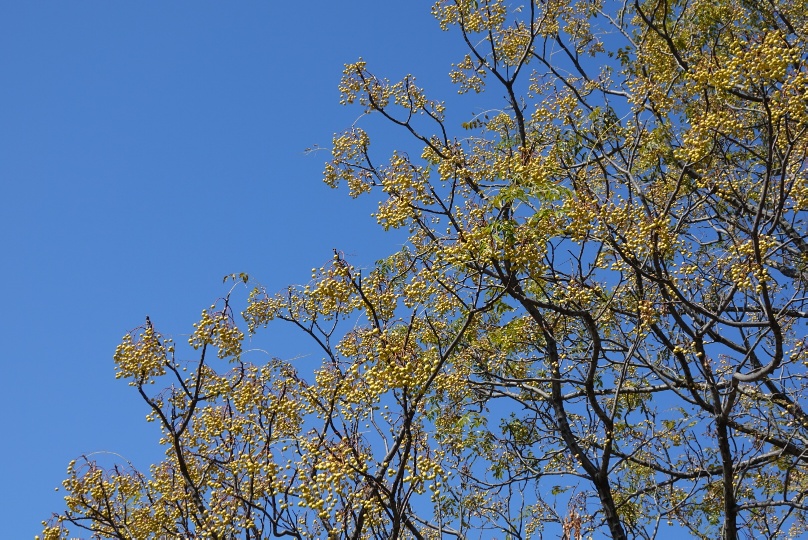
While we wait for more dramatic fall foliage, an unhurried walk along the Creek this week showcased the colorful fruit of a number of native trees, at the same time providing a reliable identification aid that is not available during the summer months.

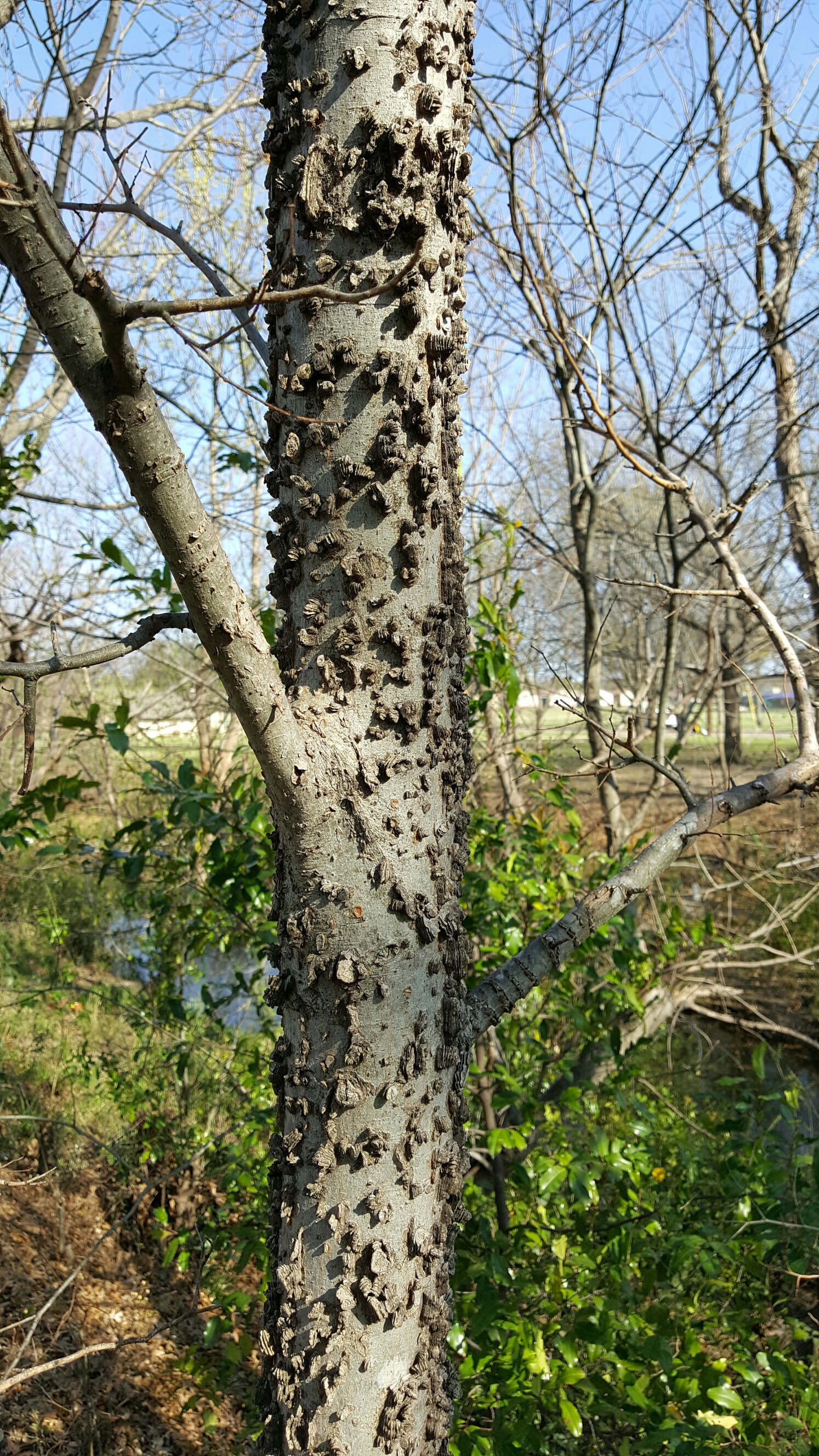
In Cox Lane Park, signature yellow berries cover the Soapberry Tree, with its distinctive coarse bark in plain view against the blue sky.

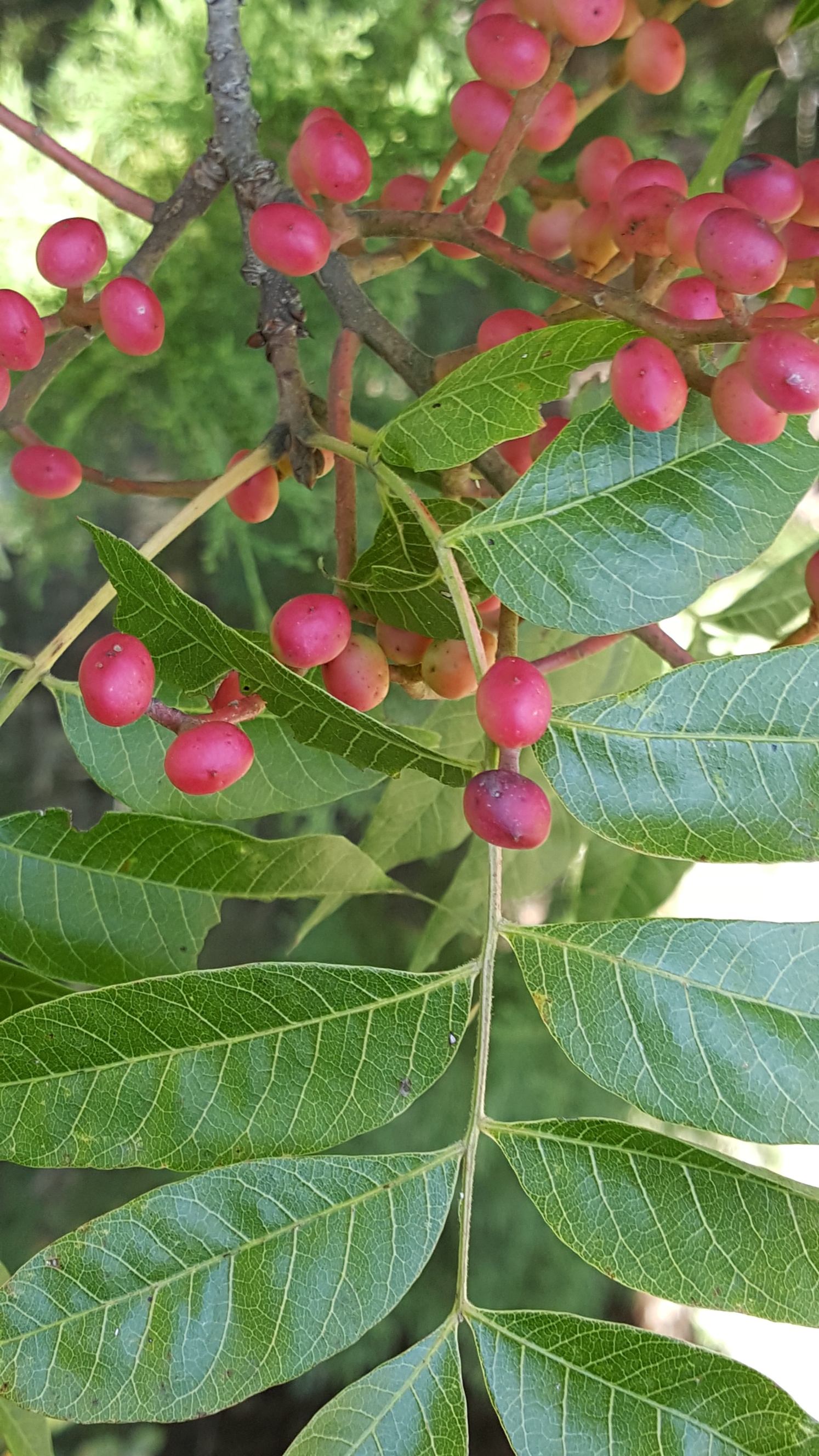
Sumac Berries

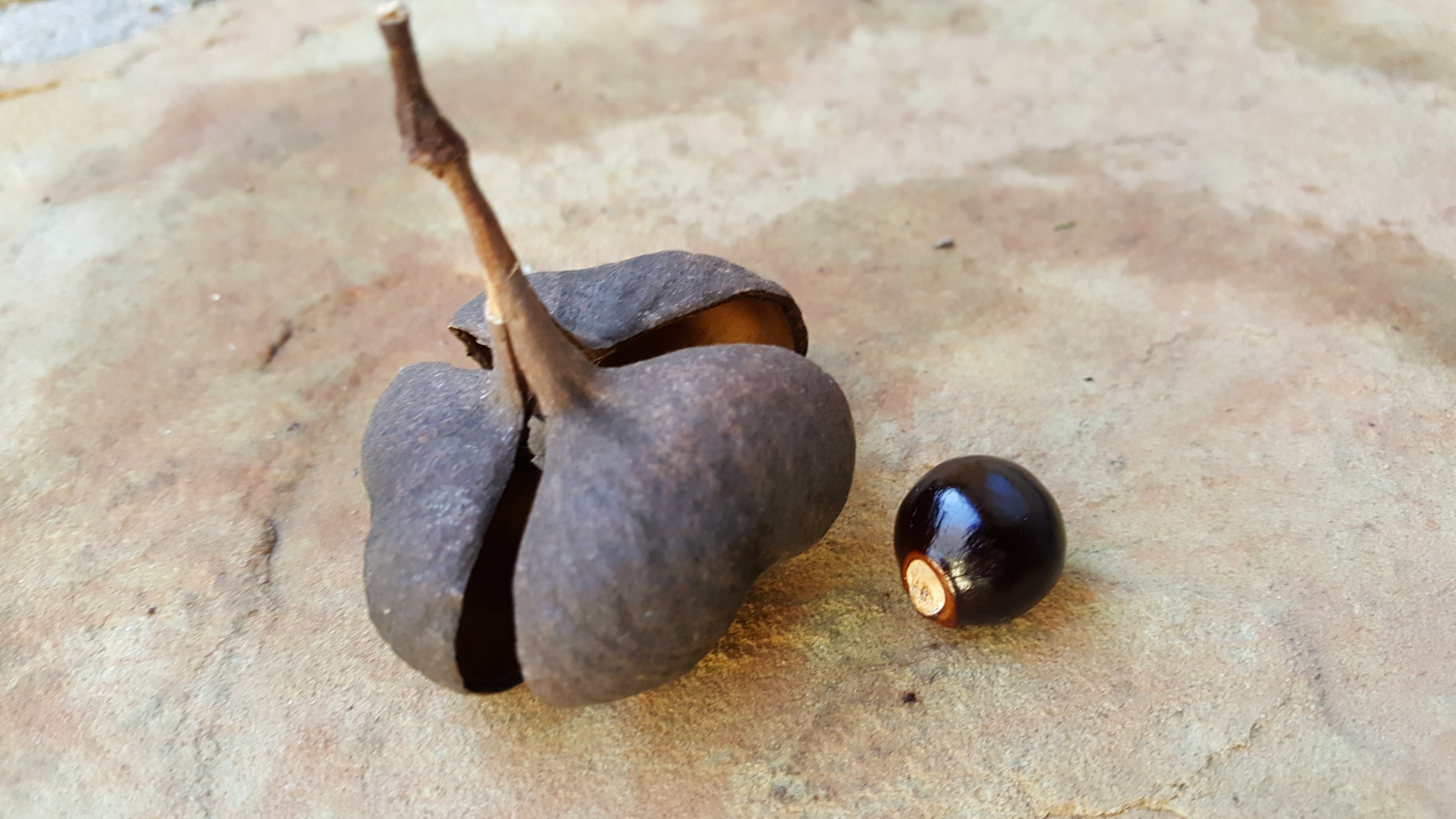
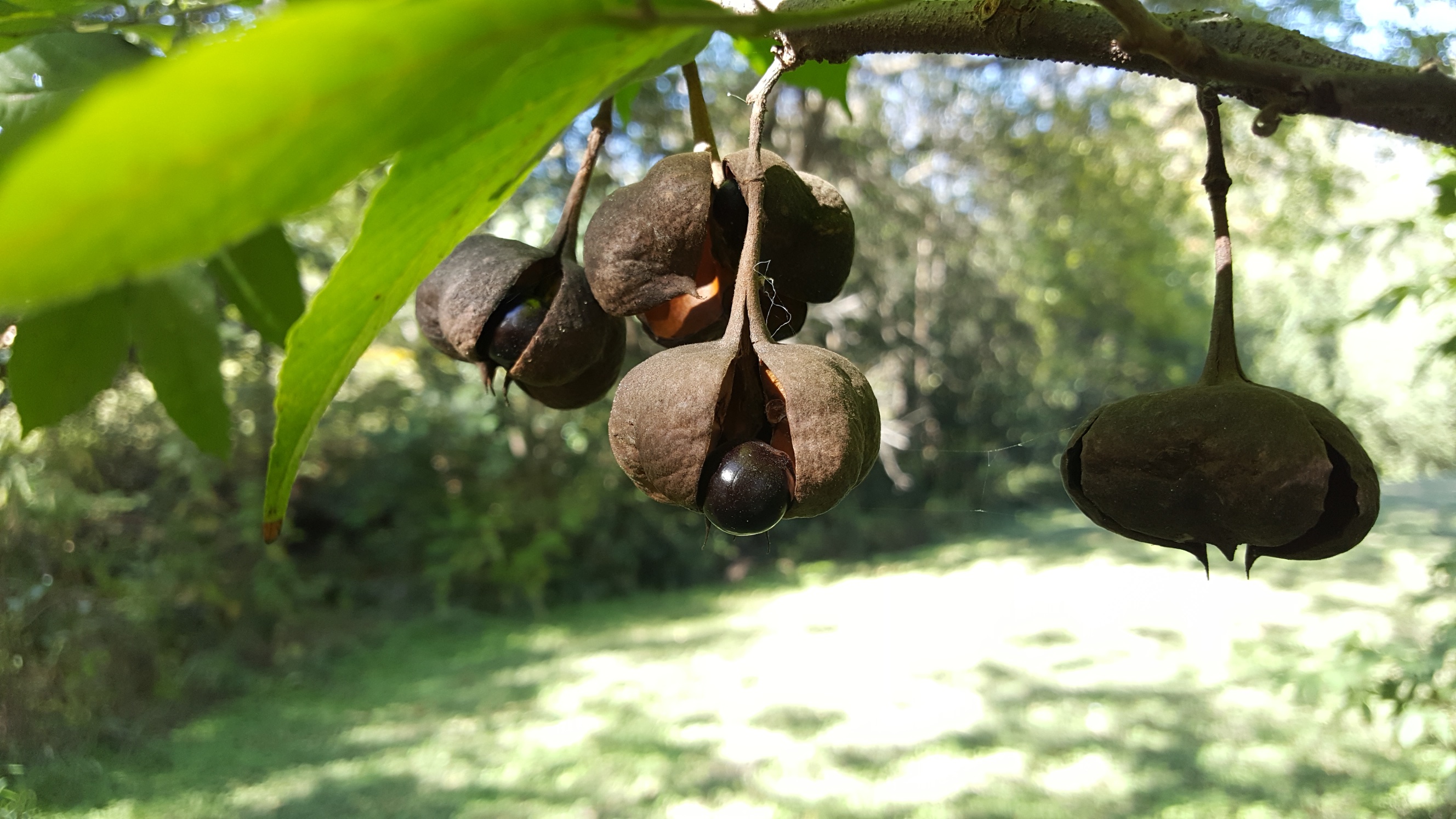
The red berries of the Flame Sumac will remain after most leaves have fallen, and in the tri-lobed pods of the Mexican Buckeye, one can see the glossy black seeds, round enough that rural children of the last century used them as serviceable marbles, according to the authors of Texas Trees, A Friendly Guide. As if endorsing that notion, our aging cat playfully pounced on one , batting it from the kitchen table and chasing it around on the floor.

Buckeye pod and bean

Mexican buckeye

In the spring and summer, the pink flowers of the buckeye can be confused with the Mexican Plum or possibly the more common redbud.


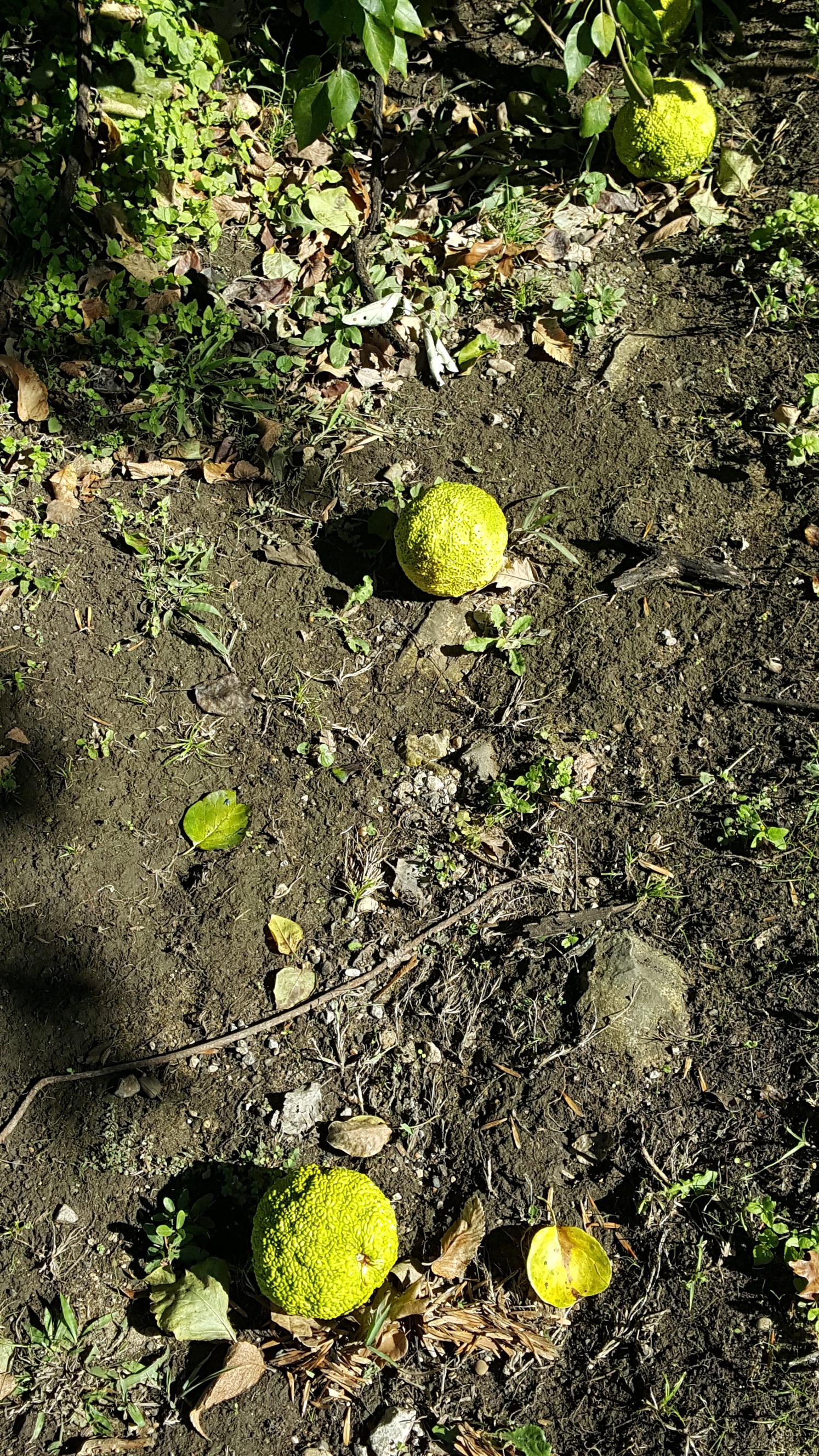
Osage Orange fruits

On the ground near the creek, the large seed balls of the Osage Orange wait for any takers. Few animals seem to want them.


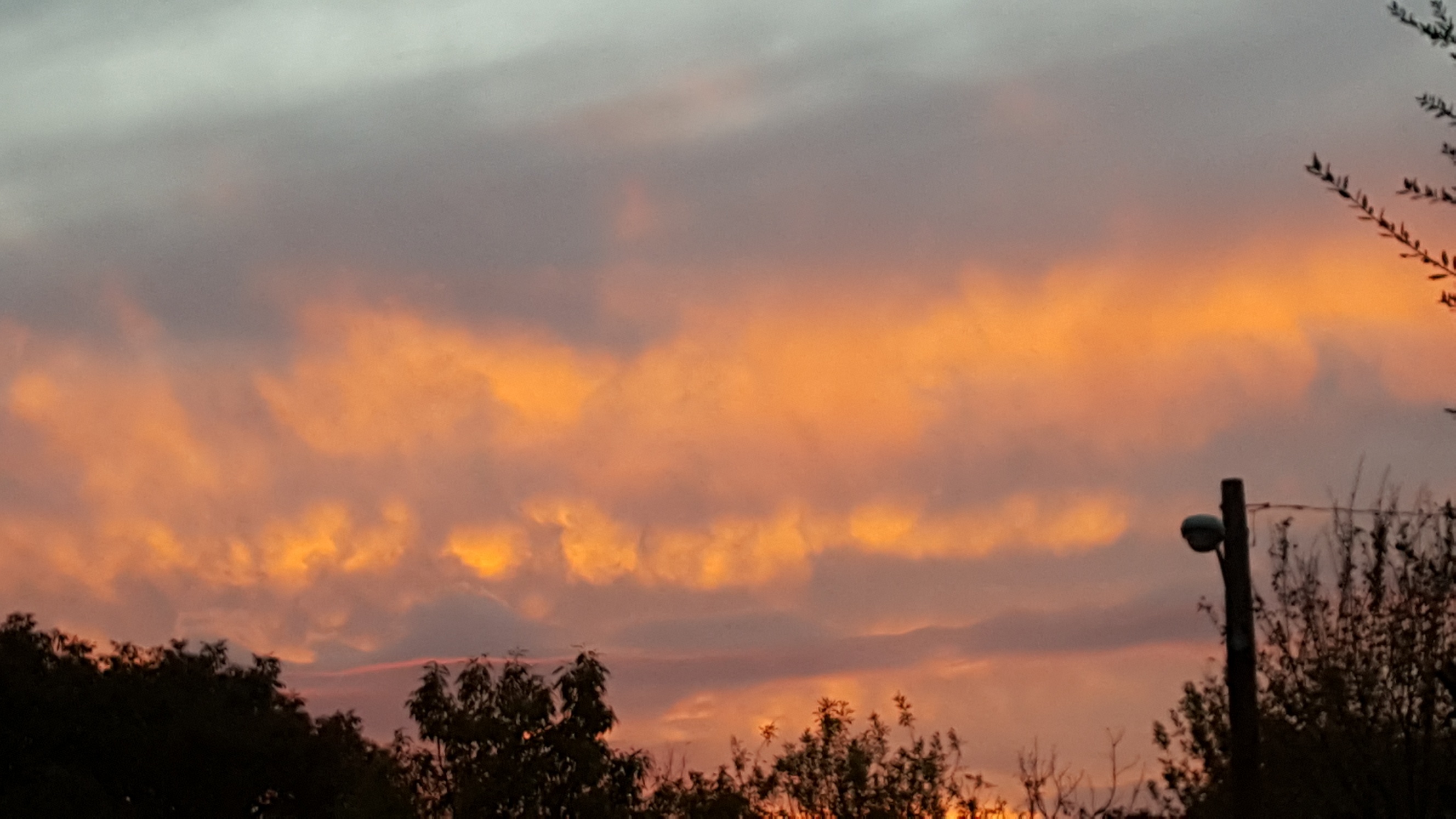
Halloween sunset over Joe’s Creek

If one does not find enough color on the ground, look up – as a long time neighbor observed, Texas sunsets can be spectacular. This Halloween sunset over Joe’s Creek seemed a fitting backdrop for the young.

Vince Punaro, Creek Leader

Filed Under: Up and Down the Creek Archives

September 8, 2017 by sandy

Solar Eclipse

September 2017.
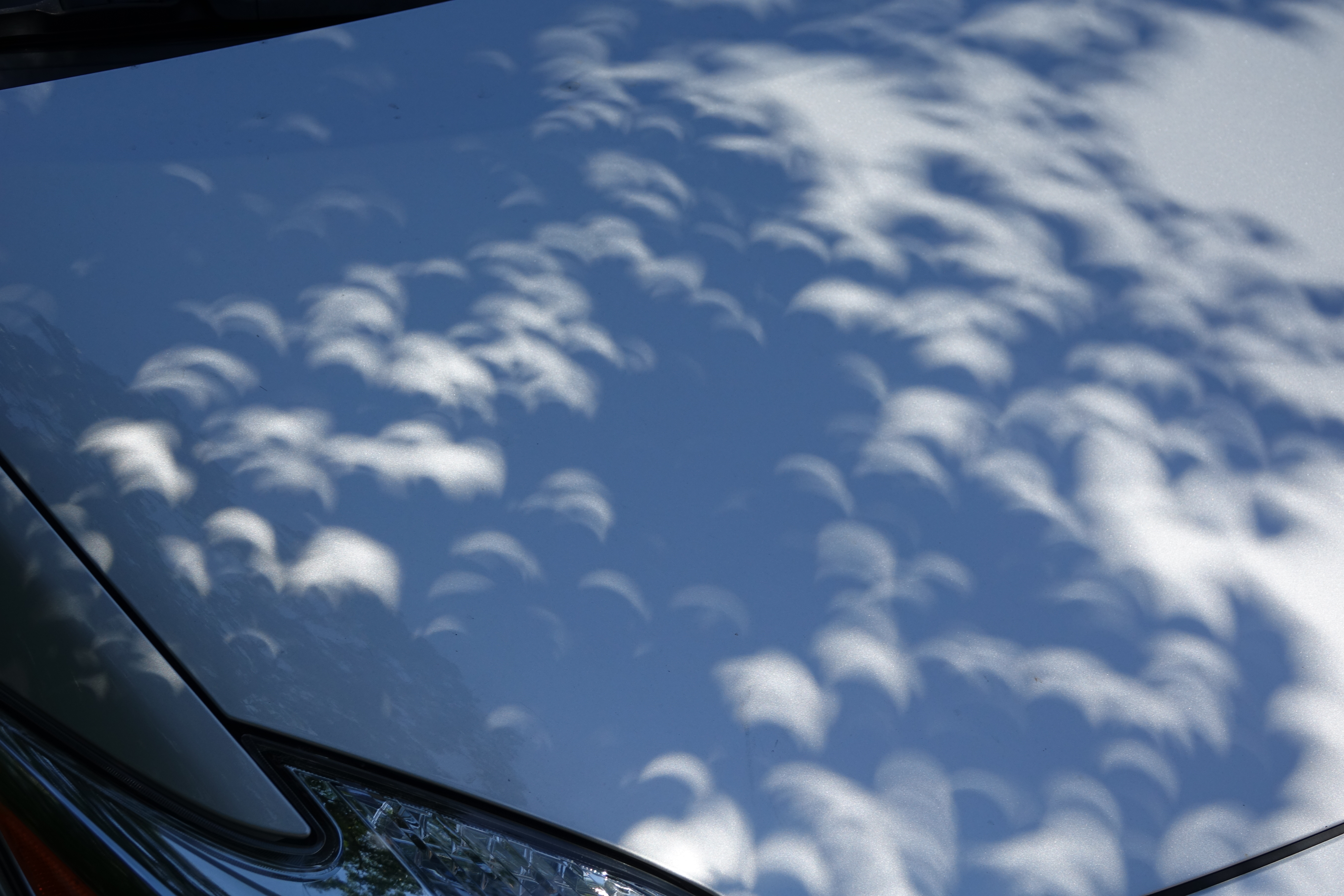
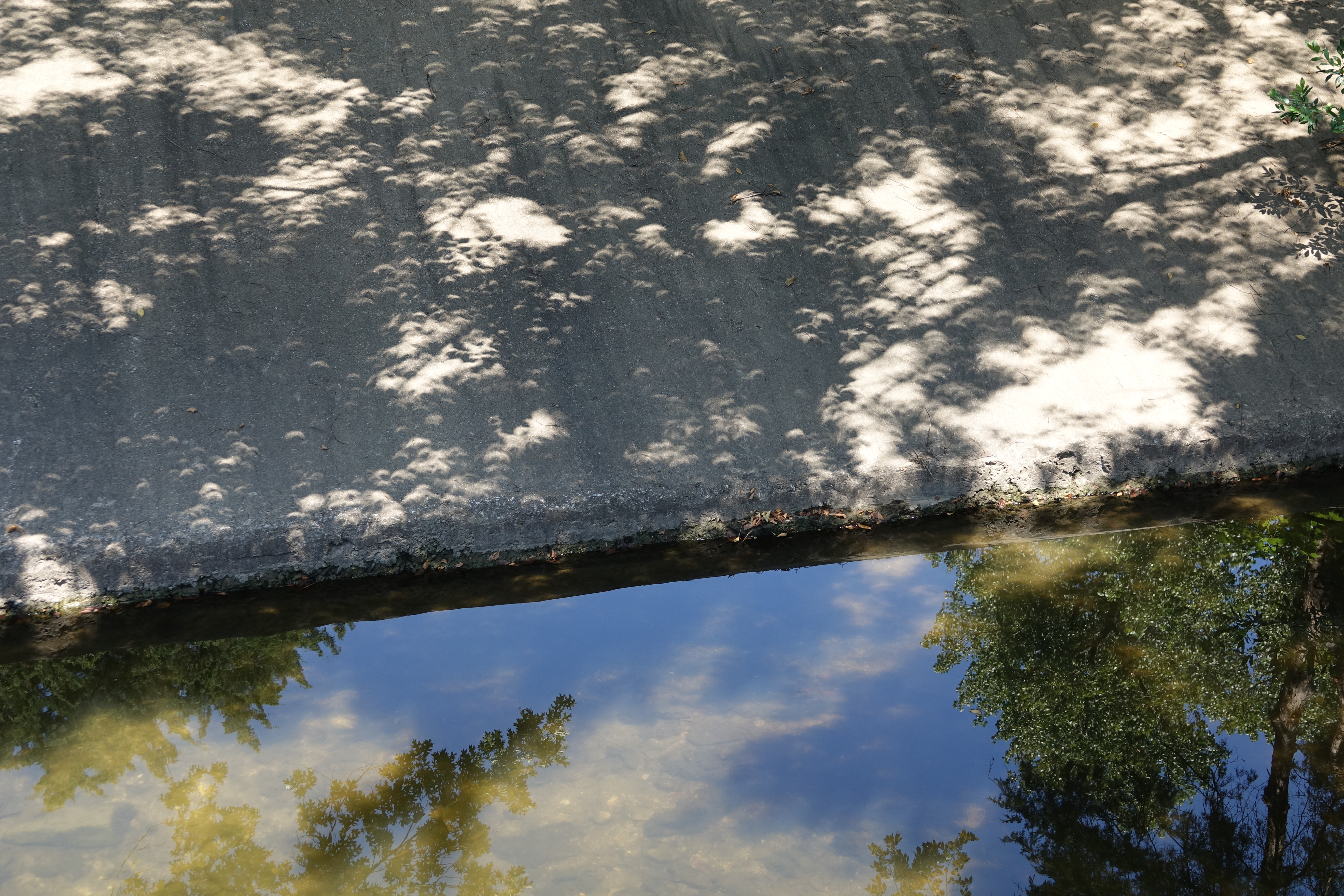
During the recent eclipse, shielded rays of the sun focused sharply on Joe’s Creek, offering a close up view of some of its diminutive creatures and features. Even minnows cast a distinct shadow. Perhaps due to a pinhole camera effect of light filtering through tree leaves, dozens of images of the eclipse appeared on the paving at the Alta Vista bridge, and on other surfaces.

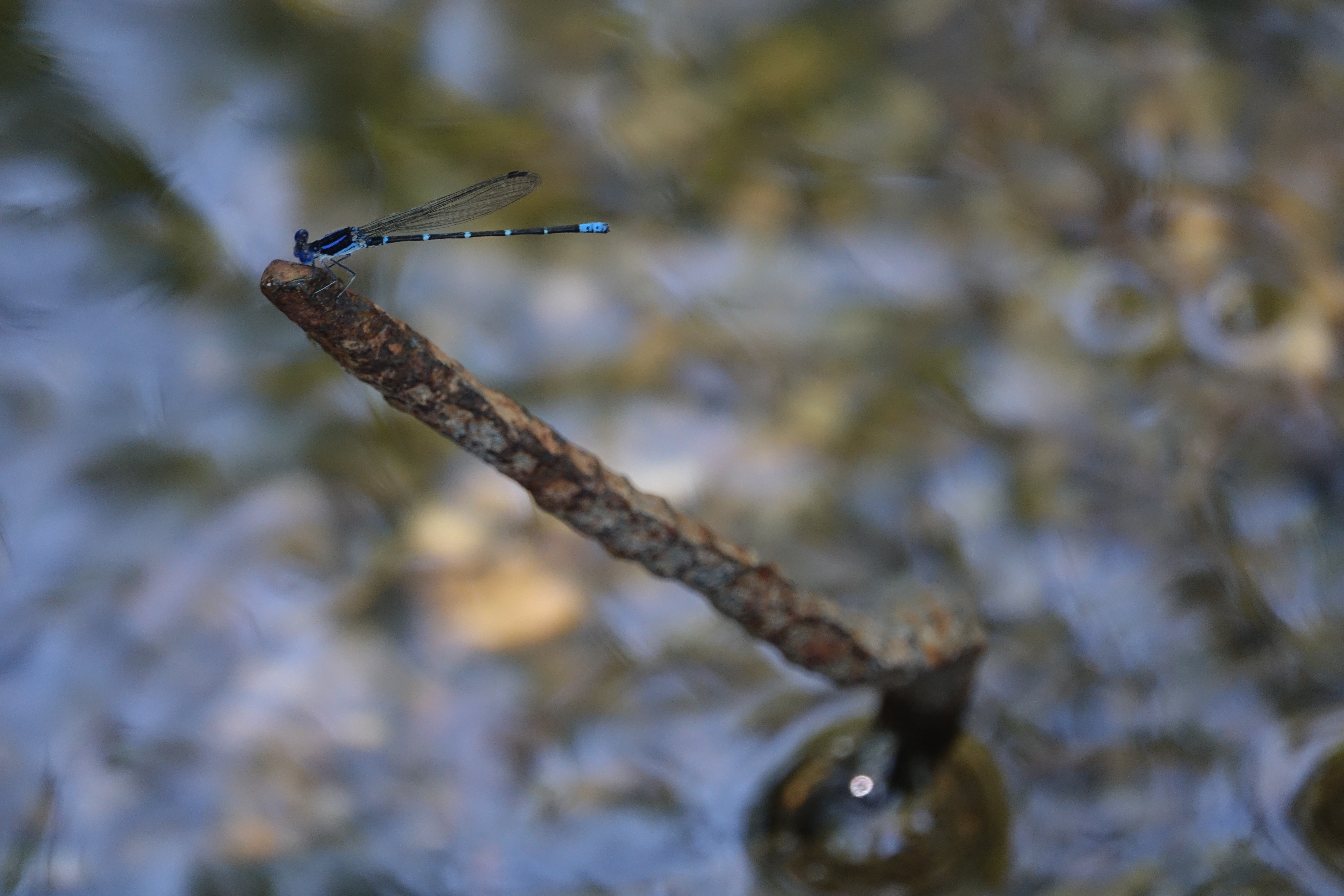
Blue Dasher

Colors seemed a bit more vivid in the slightly reduced light, and if the mosquito can see in color, (or at all), the red dragonfly, or red-veined darter, must appear fearsome in pursuit. Observed sweeping back and forth, this sturdy yet graceful flying creature appears well designed for its mission.  The smaller blue dragonfly with black bands, the blue dasher, waits until its prey comes close, then dashes out.

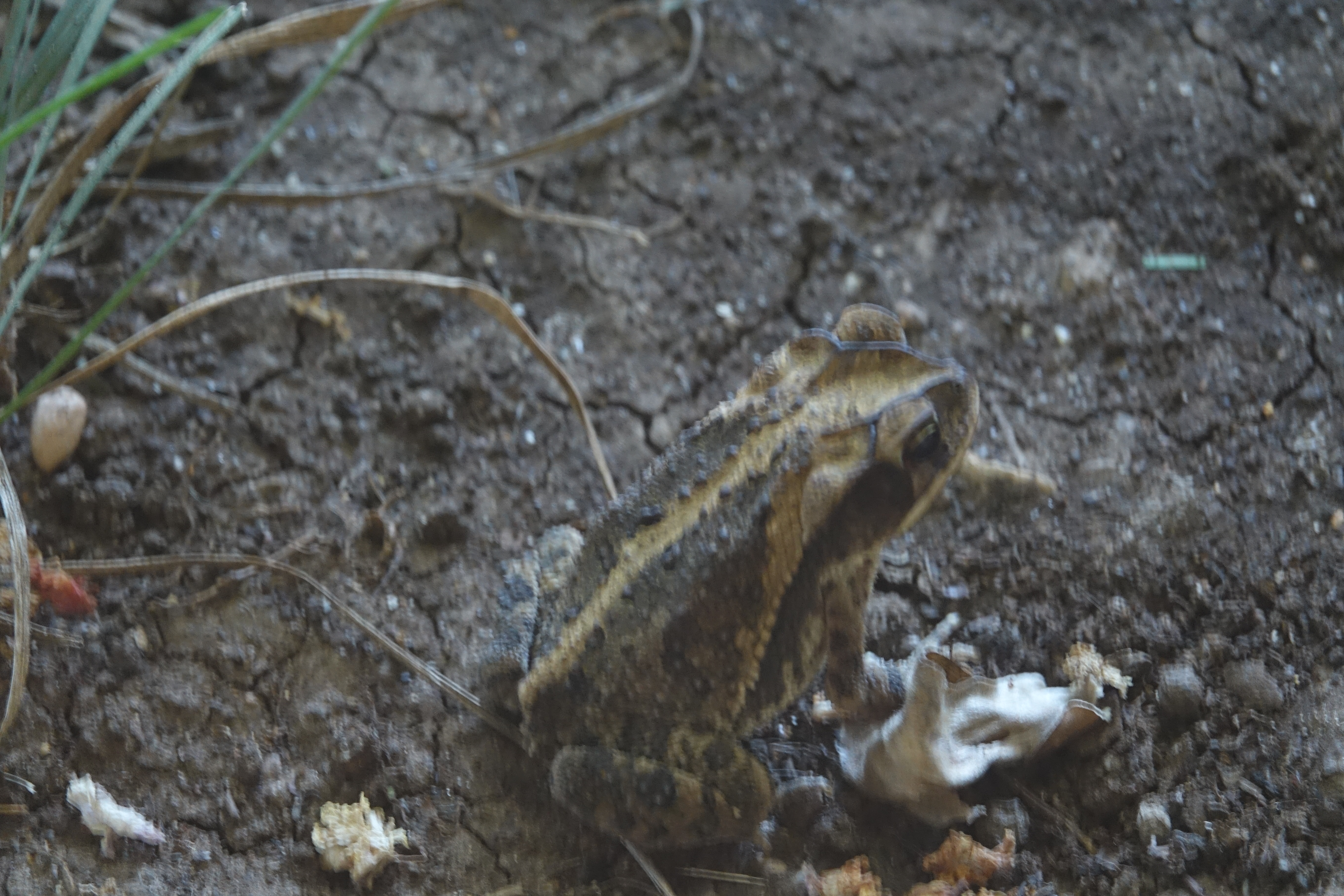
Texas Toad

Perhaps more conspicuous by its relative scarcity this spring and summer season was the Texas Toad. This common native so delighted a young visitor from Sweden in the 1980’s that his Dad, a visiting professor, shortened his lecture to tell the class about the encounter. Every spring in Northaven Park waves of these toads could be seen crossing the road, leaving the creek and headed for backyards and gardens. Experienced Outdoorsmen will attest that these amphibians have suffered a decline in many locales. They are the canaries of the creek, their absence denoting poor water quality, presence of pollutants or contaminants from runoff, or just plain lack of water. We can have an impact on all but the latter.

Only if we continue our efforts to safeguard the creek and keep the water clean, can we expect that our youth will be able to encounter these small marvels of nature around the Creek and the neighborhood.

Meanwhile, don’t wait until the next eclipse to have a look for yourself and your young ones.Click on each photo for a larger view.

Vince Punarov, Creek Leader

Filed Under: Up and Down the Creek Archives

April 8, 2017 by sandy

Texas Native Trees

April 2017.
Texas Native Trees have long provided vital benefits to wildlife – nectar, forage, and habitat – that are in shrinking supply as both rural and urban communities expand. In Northaven Park, however, viewing these Texas Natives is as easy as a walk in the park, or along the Joe’s Creek Greenbelt.

While some varieties may not be the first choice for planting in residential yards, we can still appreciate their long and unique history, distinctive properties and diverse appearances.

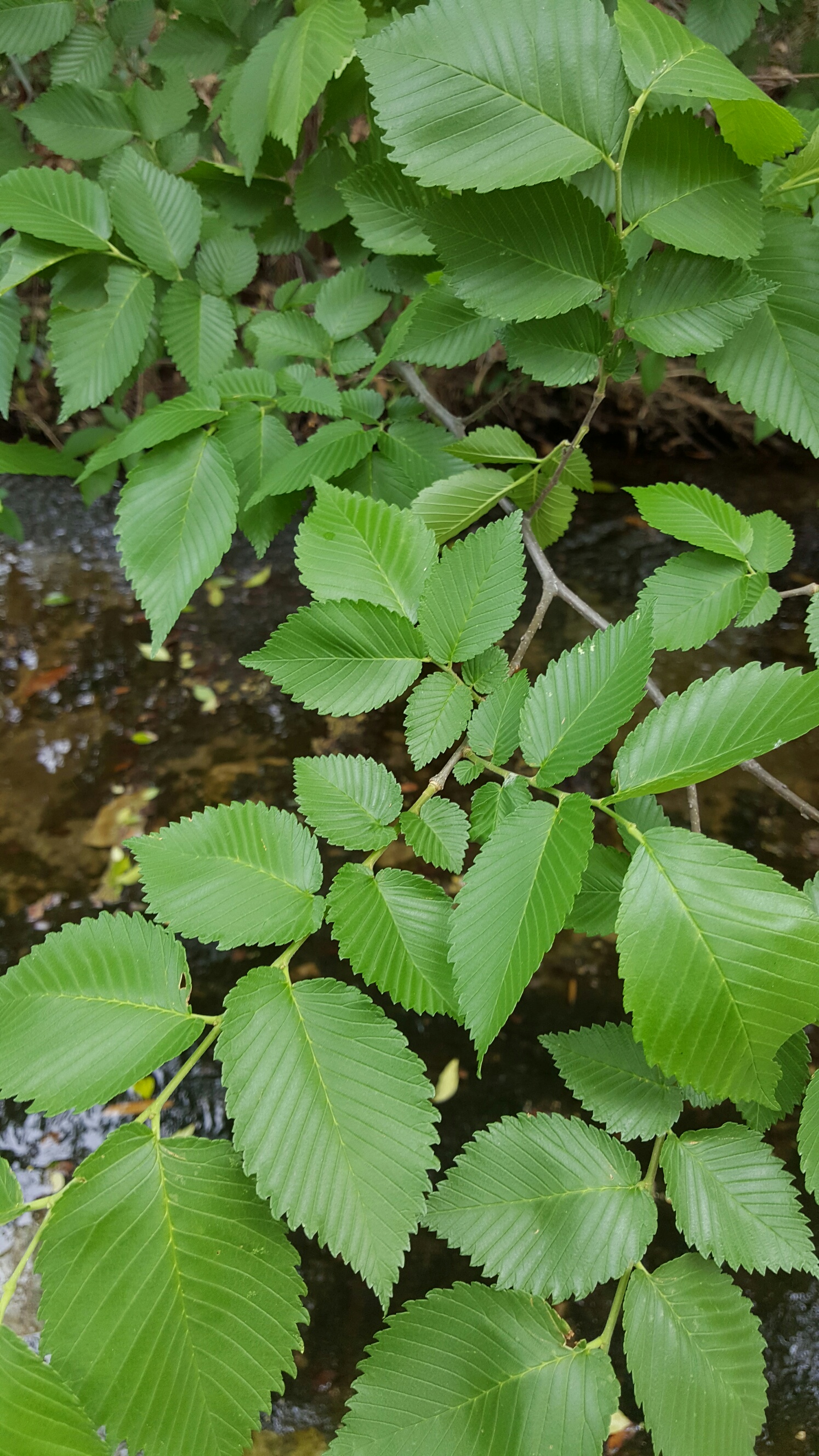
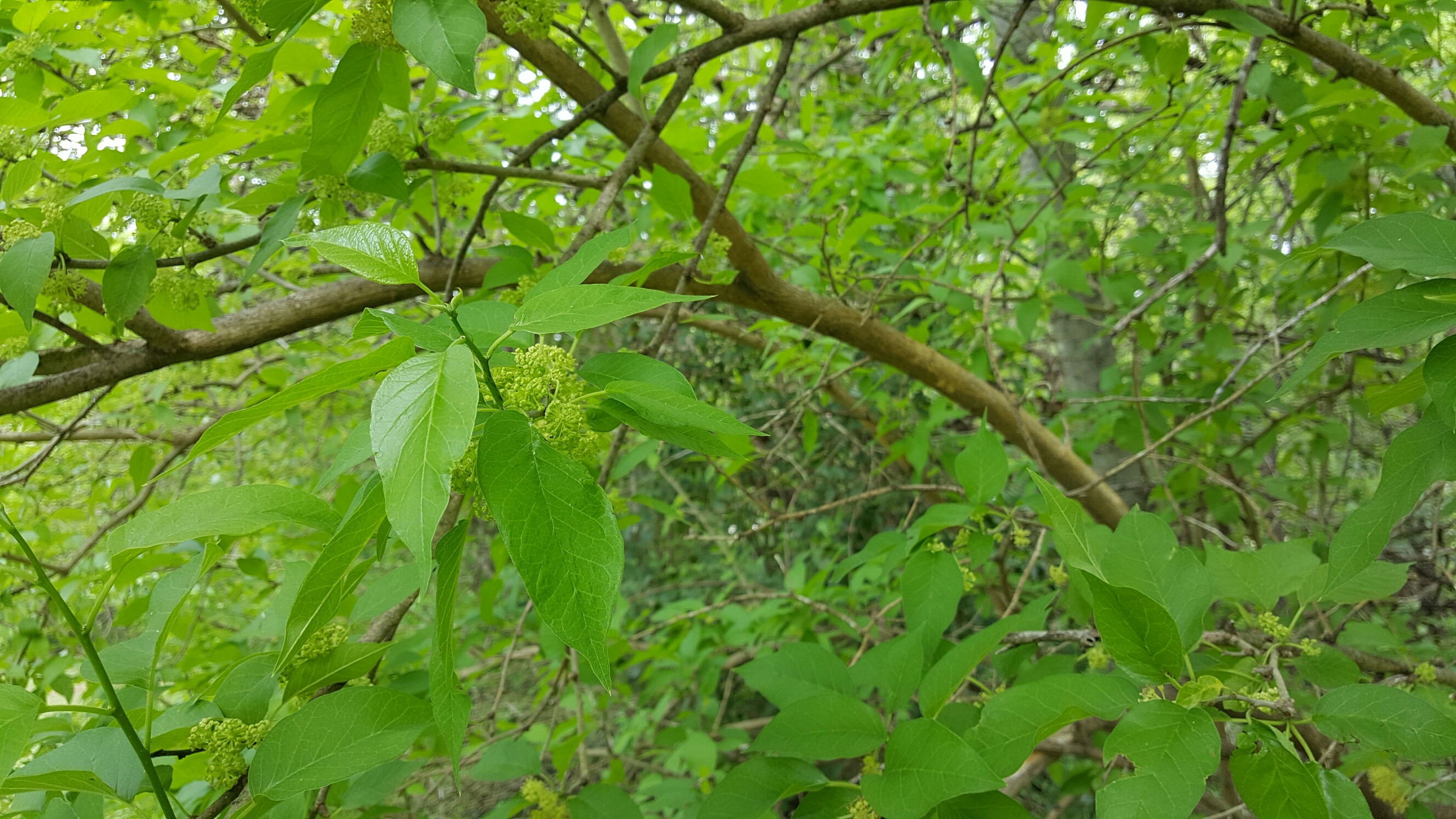
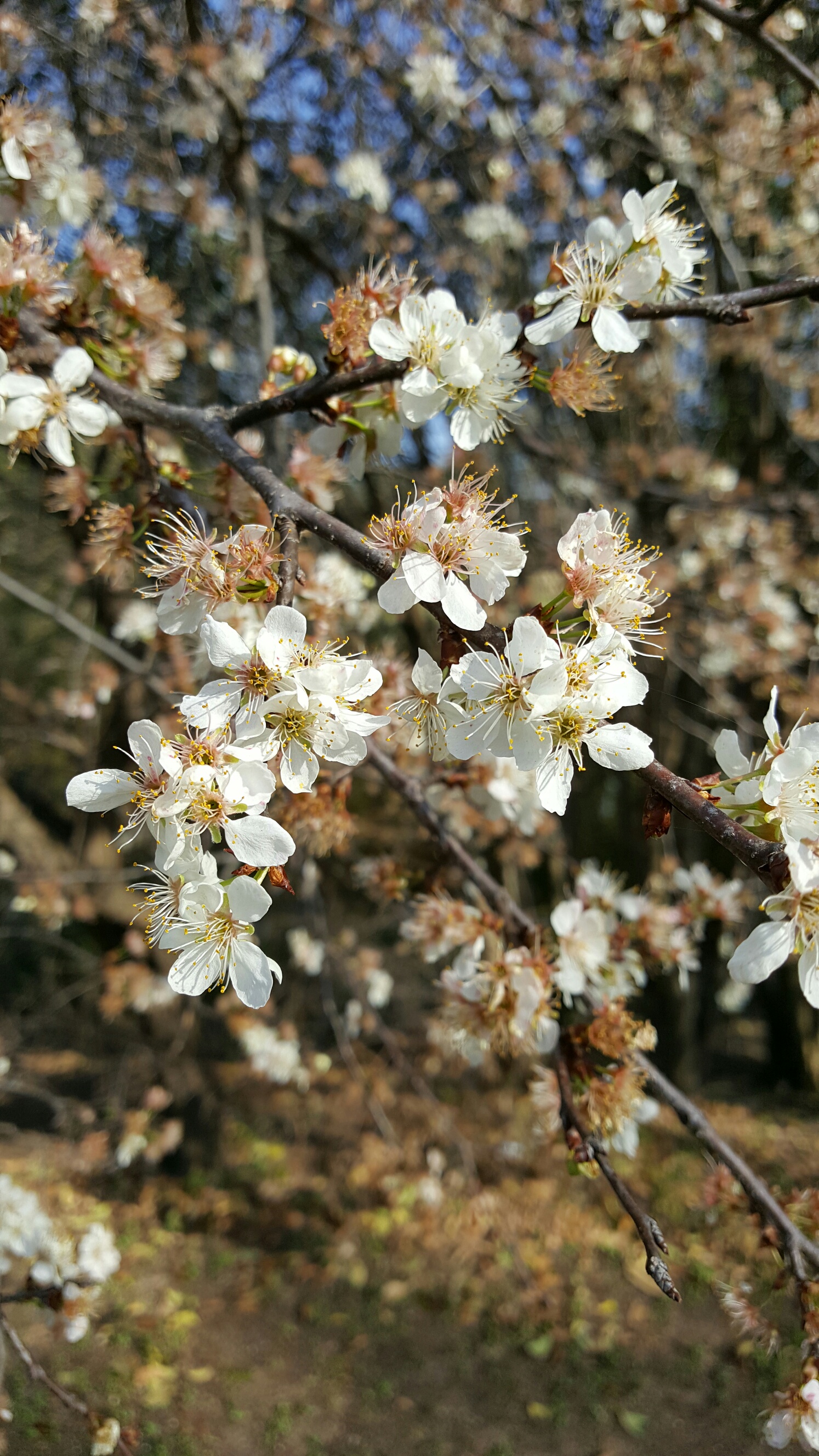
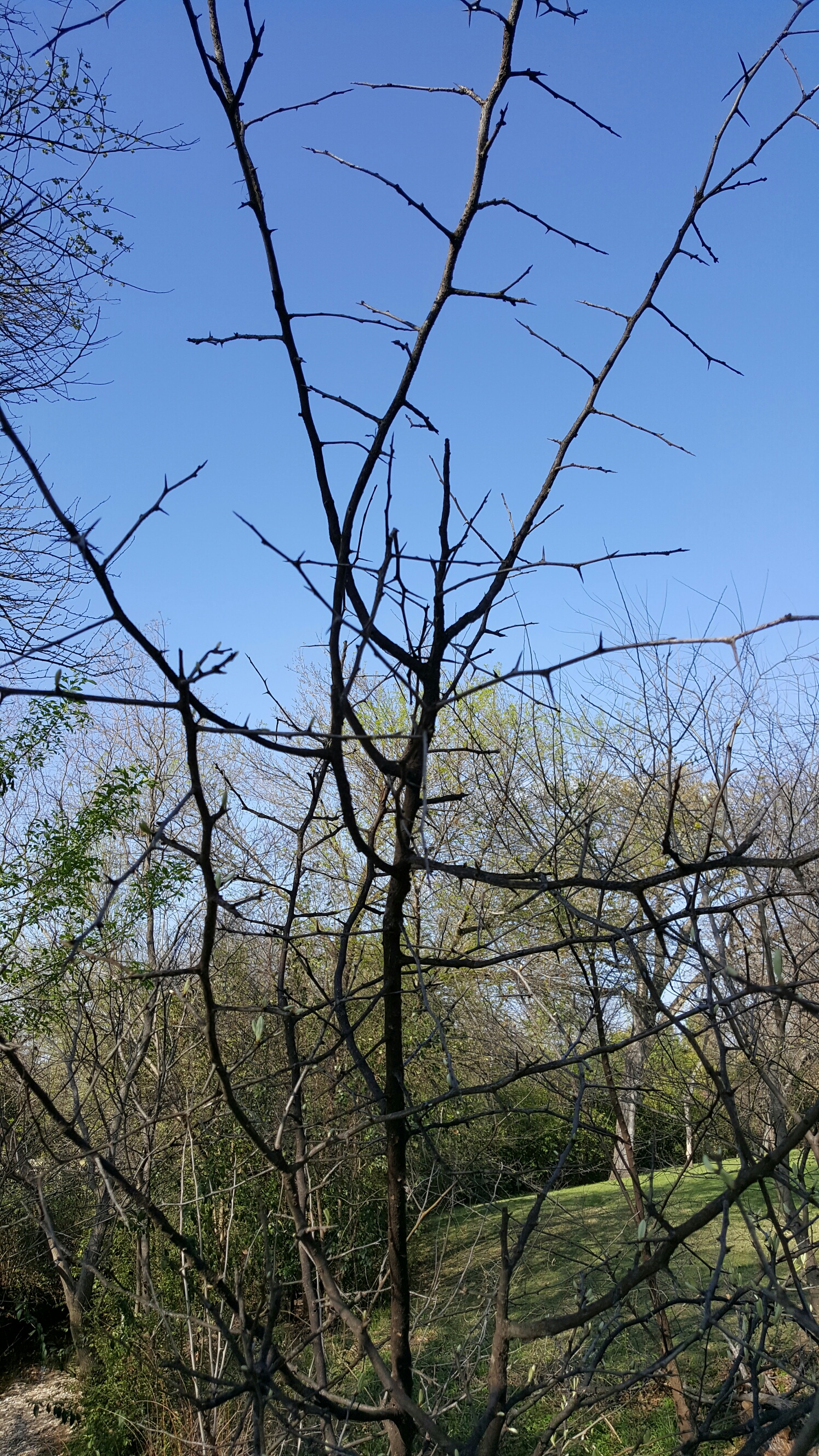
Here then is an easy (too easy!) quiz. Match the photos and the tree names to the descriptions.

Planting a tree with care and proper technique is always a good idea, offering a sense of accomplishment for a job well done in the present, and the expectation of aesthetic and other benefits for generations to come. Earth Day can be every day – planting a tree remains one of the best ways to take positive action for the environment. For an excellent guide to suitable varieties, see the tree selector at Texas Tree Planting. Input variables such as soil type, space available, fall color, and the selector can yield several recommended trees to match your requirements. For planting guidelines, see “Tree Planting” under the library tab at Dirtdoctor.com.

Vince Punaro, Creek Leader

Filed Under: Up and Down the Creek Archives

April 7, 2017 by sandy

Texas Native Trees Quiz

Match the photos and the tree names to the descriptions. *
A link to the answers is located at the bottom on the page.

Trees: 

  • American Elm
  • Black Willow
  • Bur Oak
  • Gum Bumelia
  • Mexican Plum
  • Osage Orange
  • Sugar Hackberry

Photos:
Click on each photo below for a larger view.

1.    2.  3. 

4.  5.  6.

 7.  8. 
(Hint: one of the trees is shown in two separate photos)

Descriptions:

a. Other name is “…from the French words meaning wood of the bow, because the arching branches were a favorite of Osage Indians and others for bow wood.”

b. Also known as Chittamwood. “Small tree occasionally more than 40 feet high, with stiff, spiny branches. Children used to chew the gum that exuded from the bark and called it ‘chicady’ “.

c. “The overall form of (this tree) open grown is often likened to a column or fountain of water.” “The state tree of Nebraska and North Dakota.”

d. “…branches were used as divining rods to locate water. Indians made an infusion of the bark to alleviate fever and aches. (the bark does, in fact, contain salicylic acid, which is present in aspirin.)” “The fast growth and shallow roots are known to break pavement – these same properties make the tree useful for erosion control.” Woodpeckers favor these.

e. “…grows fast, gives good shade, resistant to pollution and cotton root rot, shallow root system holds the soil. …sweet fruits produced in abundance are a favorite food of many species of bird. Good selection to plant in areas where nothing else will grow.”

f. “Flowers very early in Spring. …juicy fruits are eaten by only a few species of wildlife – foxes, ring-tailed cats, and songbirds.”

g. “Seedlings have been found to have a 4 ½ foot taproot at the end of the first growing season. A stately tree, 80 feet or more tall, … in the landscape this tree can become large and dominating.” “…few insect or disease problems.” “In winter the corky twigs and stout branches give it a picturesque appearance.”

* Text and descriptions from Texas Trees, A Friendly Guide, by Paul W. Cox and Patty Leslie, Corona Press, San Antonio, 1999.


Find the answers here>>

Filed Under: Up and Down the Creek Archives

February 1, 2017 by sandy

Winter Along the Creek

February 2017.

NPNA residents are well aware of the opportunities and benefits of walking throughout our neighborhood, especially when winter seems like it never happened.

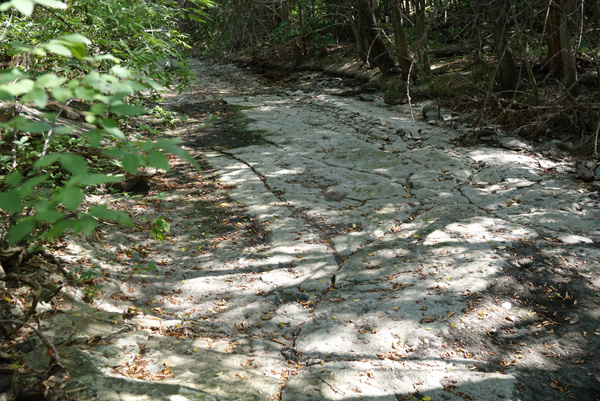
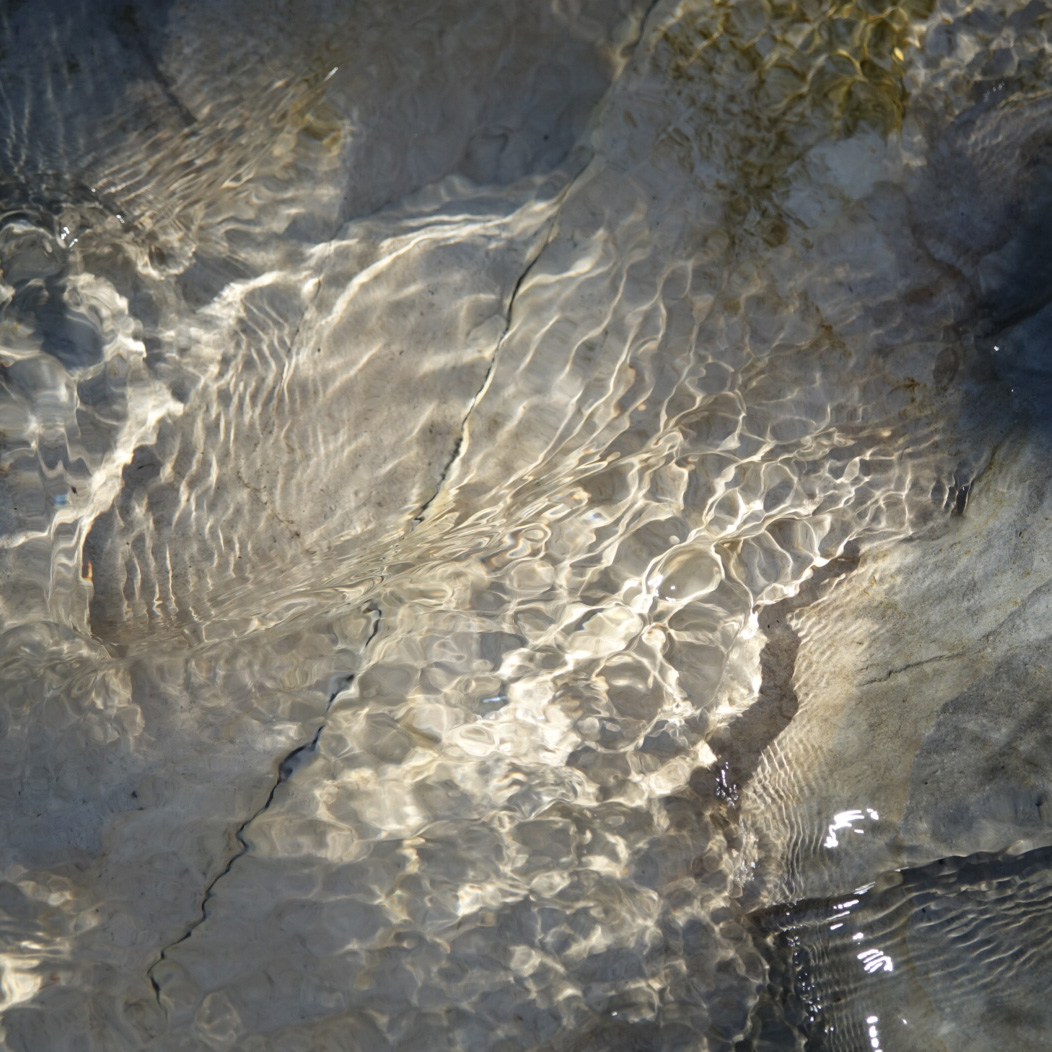
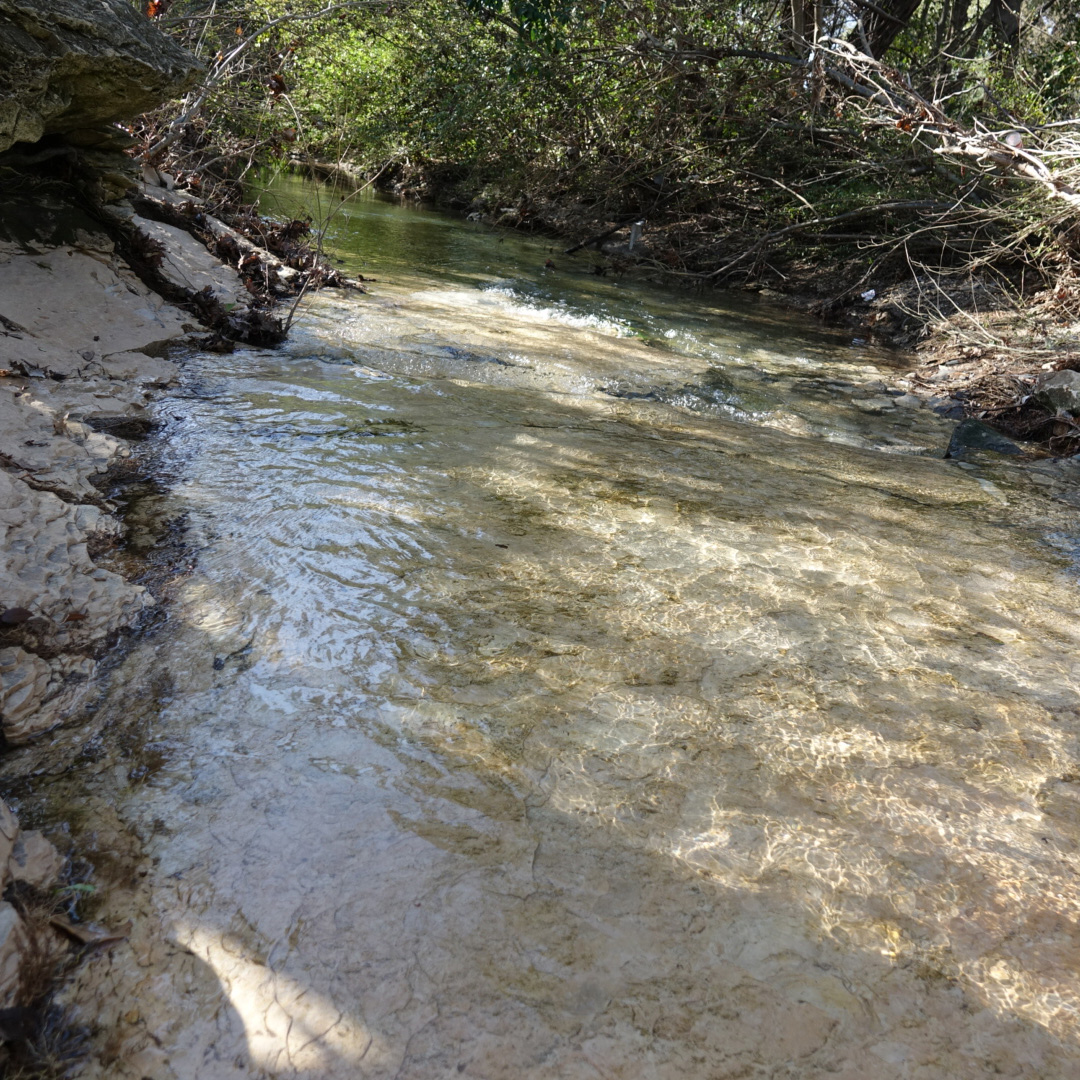
For those who walk along the creek, parks and greenbelt, there is an added opportunity to appreciate the timeless character of the creek. After a recent heavy rainfall, rushing water had stripped most of the algae from the creek bed, leaving only the natural rock and clear running water – a glimpse of what the creek can look like if runoff of fertilizer and other chemicals is minimized – that is; if all residents would avoid use of these products, and instead use only organics. (abundant information on organics is readily available from Howard Garrett, dirtdoctor.com, and at dallascountymastergardeners.org )

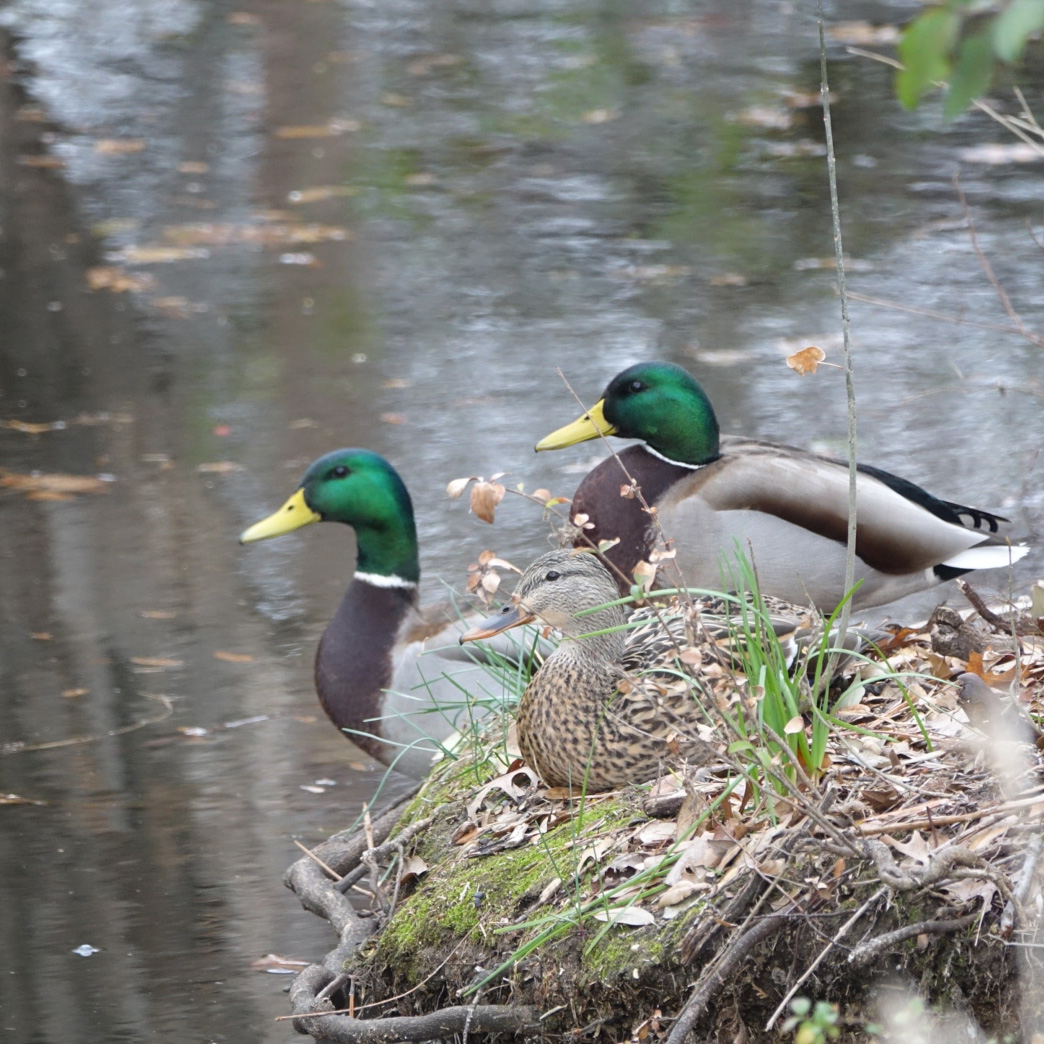
Walkers will also note the presence of a number of mallard pairs in the creek – as a long time neighbor observed, these ducks may well be returning to the first environment they knew – where they were hatched. Their long-term welfare depends on the thoughtful practices and continuing care by all NPNA residents.    

Enjoy the creek, the winter weather, and think good health to ourselves and to the neighborhood wildlife.

Vince Punaro, Creek Leader

Filed Under: Up and Down the Creek Archives

October 1, 2016 by sandy

Best Practices for Water Quality

October 2016.

Early October temperatures in the 90s – not State Fair or Football weather; but the red leaves of a flame sumac sapling on the creek bank hint that fall is approaching. This means leaves coming down, and a good time to revisit the best practices for keeping leaves and other trash out of the storm drains, and most important out of the creek. 

Noting the abundance of plastic bottles, bags, and other debris in the creek and along the greenbelt suggests that there’s much room for improvement in the control of trash and recyclables.  While most of these items likely are swept into storm drains outside of our neighborhood, we can take a moment to ensure that our own trash and recycle bins are not the source.  

And try to use organic products when needing to use pesticides and other chemicals on your lawns. Rain and irrigation systems will transfer these contaminants into our creek water. Water released from your pools with a high ph. will also pollute the creek water.

Every substance that flows or is carried into Joe’s Creek impacts the water quality of the Trinity River.

Footnote: The actions of those who continue to spray graffiti on the retaining wall near Hockaday, and those who left cut branches in the creek bed at either end of the retaining wall (could be the same person(s)? contrast sharply with those of the dedicated NPNA volunteers who work to keep the creek a natural area, and an asset to the neighborhood.

Vince Punaro, NPNA Creek Leader

Filed Under: Up and Down the Creek Archives

  • 1
  • 2
  • 3
  • Next Page »

Sponsors

Please visit our generous sponsors!
bus card template bus card template bus card template 7 da Vinci School bus card template 6 DallasDaycare Web 5 PEN_RA-Construction-Business-Card bus card template bus card template bus card template TotalTX-Web

NPNA Events

  • Movies in the Park
    • 7 Mar 2026
  • Easter Egg Hunt
    • 29 Mar 2026
  • Moms Playdate in the Park
    • 5 Apr 2026
  • Truckin' Tuesday
    • 7 Apr 2026
  • Truckin' Tuesday
    • 14 Apr 2026

Quick Links

  • City Services
  • Elected Officials
  • Parks in NPNA
  • New Residents
  • NPNA Sponsors
  • Withers Elementary School
  • Officer Resources (Private)
  

Privacy Policy  Terms & Conditions

Site built by Systems of Merritt | Design customized by Van den Braak, Bearse & Associates